

Drink Champagne in Champagne
Descend into UNESCO-listed Roman chalk crayères and stroll along Avenue de Champagne, discovering centuries of Méthode Champenoise craft and tasting vintage cuvées where the world's most celebratory wine was born.
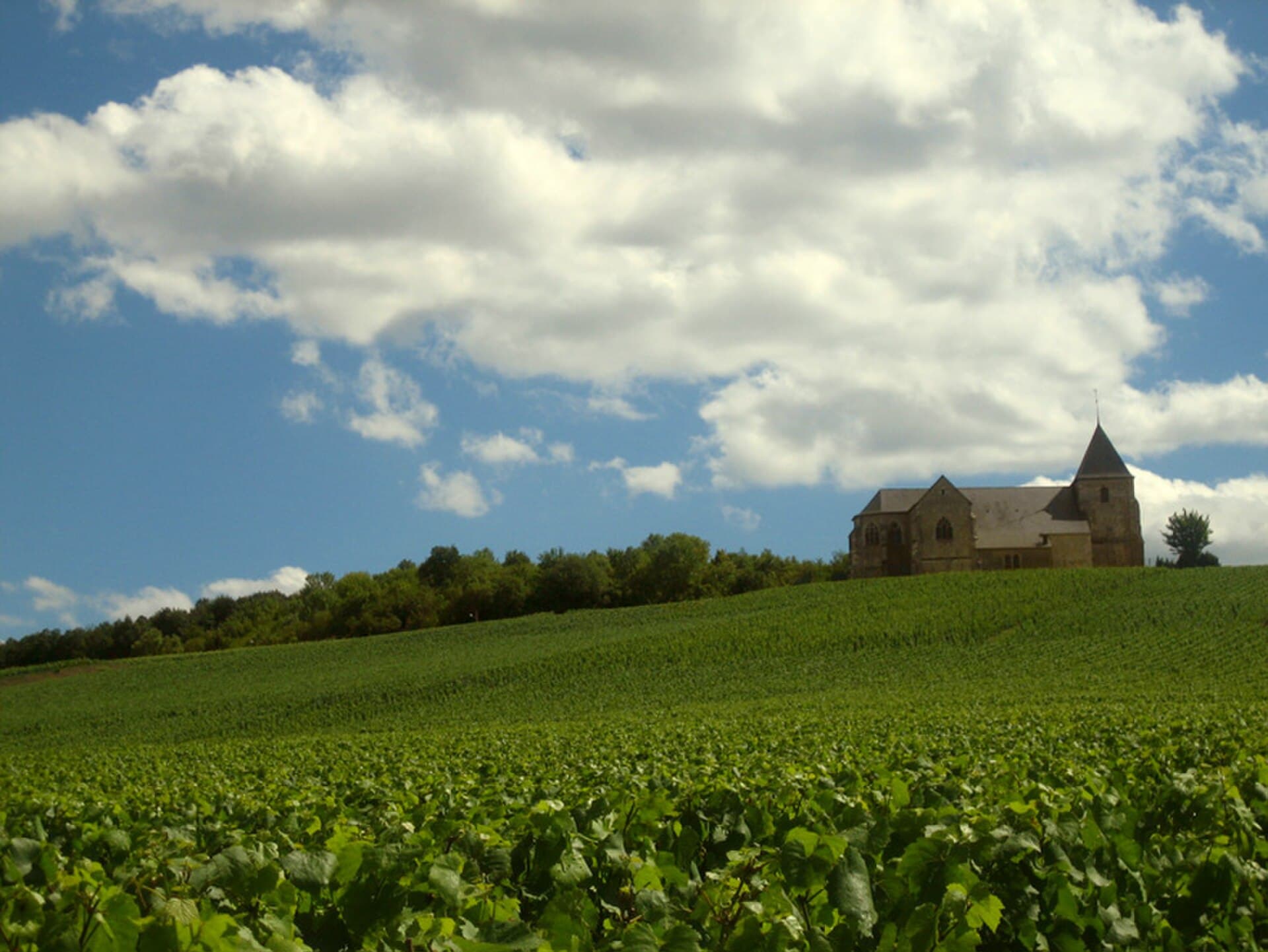
At a glance
May to October (warm weather, grape harvest in September)
Morning or mid-afternoon cellar visits (tastings take 1.5 to 2.5 hours)
Full day excursion from Paris or a relaxed 2-day escape
Wine tasting & subterranean chalk cellar exploration · Guided visits
Easy
Advance booking recommended
Why tasting Champagne in its historic terroir is incomparable
Champagne is not simply a beverage; it is a meticulously regulated cultural landscape where limestone soils, maritime climate, and centuries of Benedictine monk trials converged to invent fine sparkling wine. Visiting the region reveals the quiet grandeur beneath the hillsides: miles of subterranean chalk quarries carved by Romans that maintain a constant, natural cellar temperature of 10°C year-round.
Walking Épernay's neoclassical Avenue de Champagne and descending into the historic vaults of Reims connects the bubbles in your glass directly to the chalk strata, family growers, and cellarmasters who define France's most prestigious export.
What to expect from a Champagne visit
Descent into chalk crayères
Step deep below ground into monumental chalk galleries holding millions of bottles resting on their lees during the slow secondary fermentation.
Understanding terroir and blending
Learn how Chardonnay, Pinot Noir, and Meunier from Grand Cru and Premier Cru parcels are masterfully blended to create each house's signature style.
Comparative tasting
Conclude your visit in elegant salon rooms or sunlit courtyard gardens with a guided comparative tasting of Brut, Rosé, and vintage expressions.
Plan your experience
When to go
Late spring (May–June) brings lush green vine canopies, while September offers the electric energy of the grape harvest (vendanges). Autumn foliage is radiant in October.
Getting there
High-speed TGV trains connect Paris Gare de l'Est directly to Reims (45 minutes) and Épernay (75 minutes). Local trains and rental cars connect the villages of the Montagne de Reims and Vallée de la Marne.
Booking & permits
Major historic houses (such as Moët & Chandon, Ruinart, and Veuve Clicquot) require advance reservations weeks or months in advance, especially for English-language cellar tours on weekends.
What to bring
- Warm layers or a light jacket (cellars remain around 10°C year-round)
- Comfortable walking shoes suitable for subterranean stone stairs and cellars
Before you go
- Designate a driver or book regional train/chauffeured options if visiting multiple tasting houses
- Consider scheduling a mix of a grand historic house and an independent recoltant-manipulant (grower-producer)
Official information
Always verify permits, seasonal weather conditions and access directly with public authorities:
Official portal covering Champagne appellation rules, harvest data, and visiting guidelines.
Comprehensive visitor guides for cellar trails, UNESCO heritage sites, and local events.
Ways to experience it
Stroll along Avenue de Champagne in Épernay, popping into tasting rooms and wine bars such as Le 25-Bis or Champagne de Castellane.
Book intimate estate cellar tours with house sommeliers to explore historic crayères and taste prestige vintage cuvées.
Certified providers & operators
Moët & Chandon Historic Cellars
Guided cellar tours & vintage tastings
Largest underground cellar network in Champagne beneath Avenue de Champagne
Aÿ Eco-Visite
Electric buggy vineyard tours in Grand Cru hillsides
Eco-certified guided vineyard discovery through historic Grand Cru parcels