

Watch the tide at Mont Saint-Michel
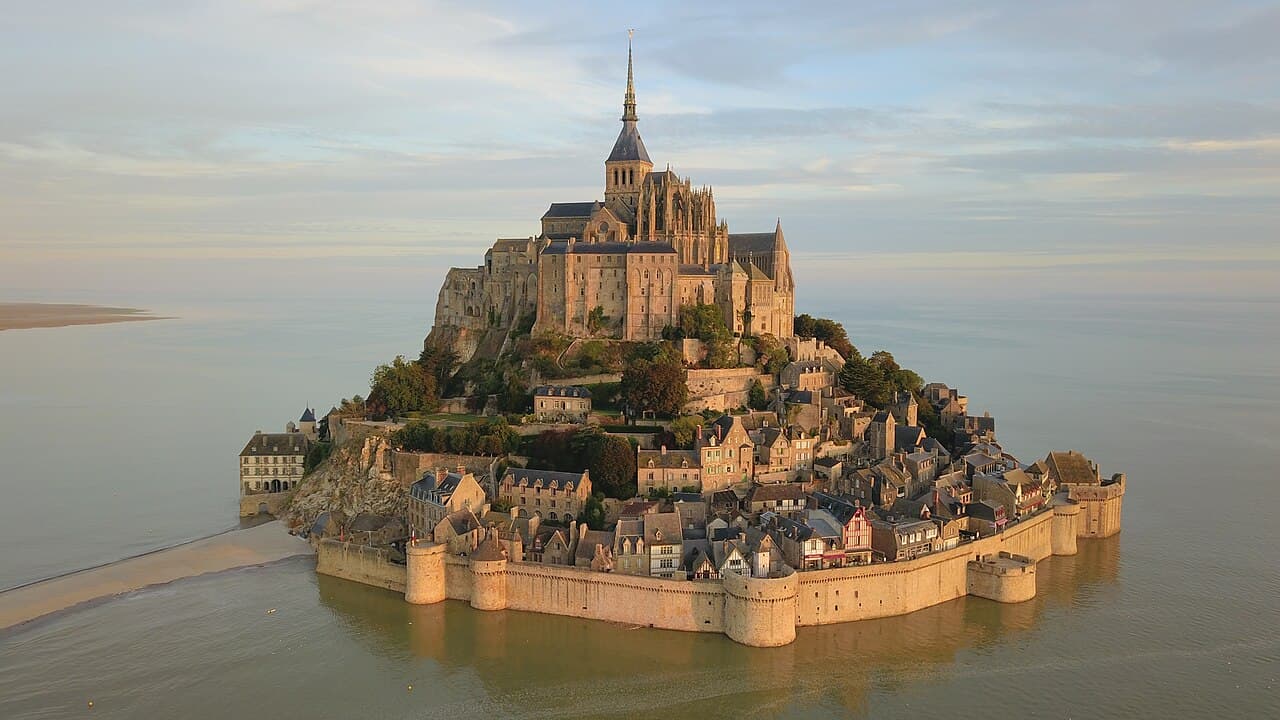
Witness Europe's most dramatic tidal swing engulf the sandy bay of Mont Saint-Michel, transforming the medieval abbey into an isolated sea citadel as the Atlantic waters advance with mesmerizing speed.
At a glance
April to October for clear skies; spring equinox and autumn high tides for maximum amplitude
Arrive 2 hours before the predicted astronomical high tide peak
3 to 5 hours for tide watching and abbey exploration, or overnight stay
Tidal observation, historic abbey walking & bay exploration · Self-guided or guided
Easy to Moderate
Advance booking recommended
Nature and medieval architecture united in daily drama
Mont Saint-Michel is one of humanity's most audacious architectural accomplishments, perched atop a granite outcrop in a colossal bay where the tides vary by up to 15 vertical metres between low and high water. For over a millennium, pilgrims navigated treacherous shifting quicksands to reach the sanctuary dedicated to the Archangel Michael.
Watching the tide rush in from the northern ramparts or the slender pedestrian bridge reveals why Victor Hugo described the waters as arriving 'as swiftly as a horse at a gallop'. Within two hours, vast desolate sandflats vanish under glittering ocean, restoring the Mount to its ancient maritime grandeur.
What to expect when observing the tides
Low tide expanses
Begin by viewing the immense, mirror-like sandflats where sea birds forage and guided bay walkers cross in the distance.
The arrival of the first wave (le mascaret)
Hear the distant oceanic roar before seeing the tidal bore surge into the river channels of the Couesnon, Sée, and Sélune.
Full sea encirclement
During high-coefficient spring tides (above 90), watch the footbridge ends submerge temporarily as Mont Saint-Michel becomes a true island again.
Plan your experience
When to go
Check official tidal coefficient tables (Coefficients des marées). Tides above coefficient 90 produce the most spectacular encirclement, occurring around full and new moons.
Getting there
Trains from Paris Montparnasse run to Rennes or Dol-de-Bretagne with direct connecting buses to the Mount, or to Pontorson with local shuttle buses. Shuttles (Passeur) run continuously from the mainland parking area.
Booking & permits
Abbey entrance tickets require timed entry reservations via the Centre des monuments nationaux, especially in summer.
What to bring
- A windproof jacket and warm layers (bay winds can be strong and changeable)
- Sturdy shoes with good grip for damp rampart stairs and cobblestones
Before you go
- Never venture onto the bay sands unaccompanied; quicksands and rapidly rising waters are genuinely hazardous
- Book a registered certified bay guide if you wish to walk barefoot across the tidal estuary
Official information
Always verify permits, seasonal weather conditions and access directly with public authorities:
Official timed entry tickets, architectural history, and seasonal nocturnal tour schedules.
Official tide schedules, shuttle transport hours, and certified bay crossing guide contacts.
Ways to experience it
Position yourself on the western ramparts or the Passerelle bridge 2 hours before peak high tide, followed by an evening walk when day-trippers depart.
Cross the bay barefoot with an accredited nature guide to experience the shifting sands and approach the Mount from the sea.
Certified providers & operators
Chemins de la Baie
Certified naturalist guided bay crossings
Accredited heritage guides specializing in tides, quicksand demonstrations, and estuary ecology
Centre des Monuments Nationaux Guides
Behind-the-scenes abbey architectural tours
Access to private medieval crypts and belltowers closed to the general public