

Walk Through Diocletian’s Palace After Dark
Wander the glowing limestone colonnades of the Peristyle, sphinxes, and subterranean cellars when the Mediterranean heat fades into twilight.
At a glance
May to October for warm outdoor evening breezes; lively year-round with resident local life
Late twilight into late evening when floodlights illuminate Roman arches and street musicians gather at the Peristyle
2 to 3 hours for strolling the ancient streets, visiting the Peristyle, and enjoying a waterside drink
Living Roman palace night walk · Architectural exploration & street culture
Easy
Drop-in possible
Why Diocletian's Palace is the world's most vibrant living Roman ruin
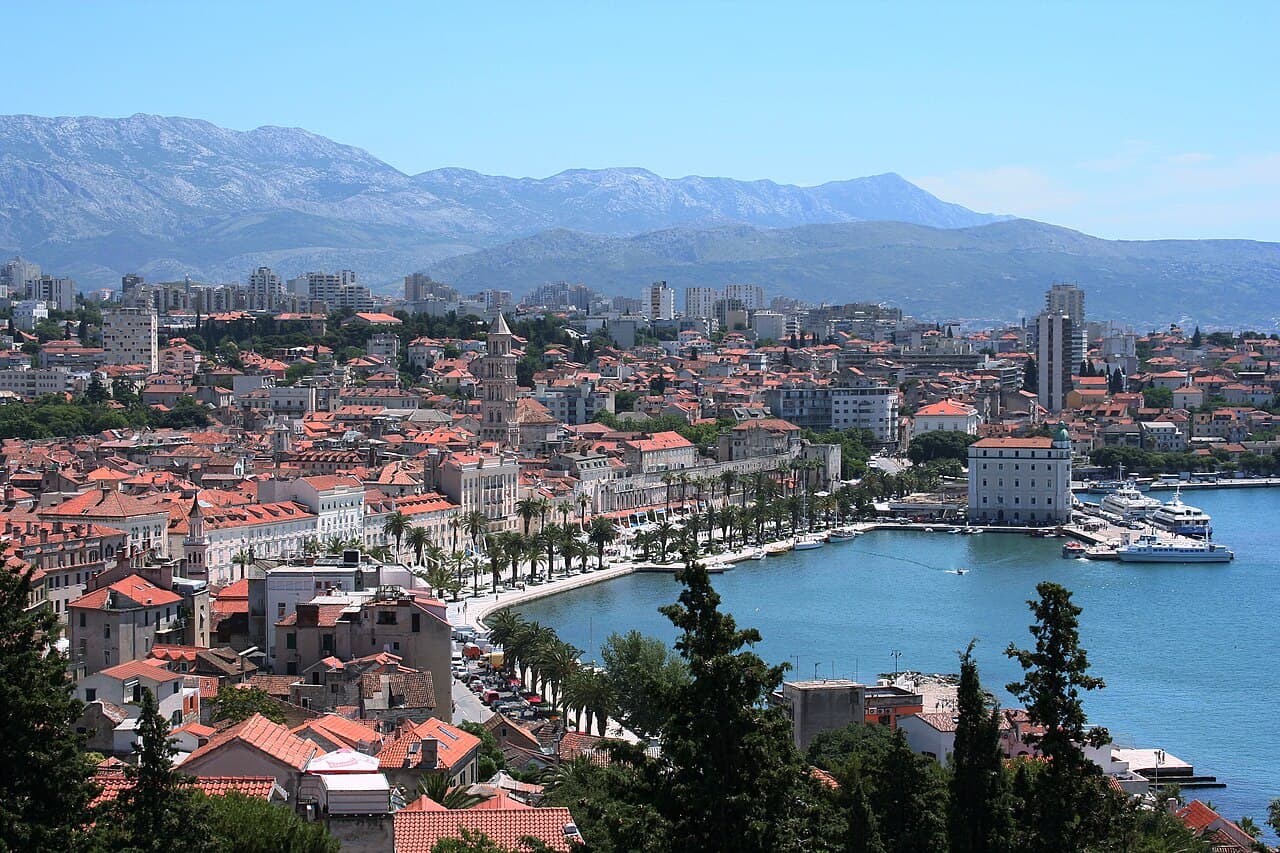
Erected between AD 295 and 305 by Roman Emperor Diocletian as his lavish retirement fortress and palace, this 30,000-square-metre seaside compound is unlike any ancient monument in the Mediterranean. When nearby Roman Salona was sacked in the 7th century, regional refugees moved inside the palace's fortified stone walls, building homes, shops, and chapels inside the imperial chambers.
Over fifteen centuries, the Roman fortress morphed organically into a living, breathing medieval city. Today, roughly 3,000 citizens live inside Diocletian's Palace. Washing lines hang suspended between 1,700-year-old Corinthian capitals, artisan leather shops nestle in Roman guardhouses, and lively wine bars inhabit ancient brick-vaulted cisterns.
The undisputed centrepiece is the Peristyle, where Diocletian once presented himself to his subjects as the living incarnation of Jupiter. At night, as golden lamps illuminate the towering granite columns, visitors sit on red velvet cushions on the ancient stone stairs, sipping local Pošip wine while acoustic guitarists fill the Roman acoustic chamber with haunting Mediterranean melodies.
An evening journey through seventeen centuries of stone
Entering through the Bronze Gate
Pass from the bustling palm-fringed Riva promenade into the subterranean cellars beneath the former emperor's quarters.
Stepping into the Vestibulum
Look up through the open circular dome of the imperial entrance rotunda, frequently filled with traditional klapa a cappella singers.
Sitting on the steps of the Peristyle
Take a seat on the ancient limestone steps beneath towering Corinthian arches beside an authentic black Egyptian sphinx.
Getting lost in the medieval maze
Wander through the narrow lanes of Cardo and Decumanus, discovering tiny courtyards, konoba taverns, and Roman arcades.
Plan your experience
When to go
The palace is captivating in all seasons. Summer evenings feature warm coastal breezes, bustling terrace cafes, and open-air classical concerts. Late spring and early autumn provide mild temperatures and fewer cruise ship crowds.
Getting there
Split is the central transit hub of Dalmatia. The palace sits directly on the harbourfront Riva, just a two-minute walk from the ferry port, main railway station, and central intercity bus terminal.
Booking & permits
Exploring the streets, gates, and the Peristyle is completely free and requires no reservation. If you wish to tour the subterranean cellars or climb the bell tower, tickets can be bought at the cathedral ticket office during the day.
What to bring
- Comfortable flat walking shoes (the polished ancient Roman limestone pavers can be slick underfoot)
- Camera with good low-light sensitivity for night-time stone illumination
- Light jacket for cooler maritime breezes off the Adriatic after sundown
Before you go
- Rub the shiny bronze big toe of Ivan Meštrović's towering statue of Gregory of Nin outside the Golden Gate for good luck
- Stop in the Vestibulum during daytime to hear a local Dalmatian klapa vocal group perform traditional a cappella polyphony
- Sample regional Dalmatian prosciutto (pršut), Pag island sheep cheese, and local Plavac Mali red wine at an intimate palace wine bar
Official information
Always verify permits, seasonal weather conditions and access directly with public authorities:
Official municipal tourism portal providing historical background, walking maps, and cultural event programmes.
City museum authority managing the archaeological cellars and historical palace exhibitions.
Ways to experience it
Wander through the labyrinth of alleys after dinner, discovering hidden arches and quiet stone squares illuminated by soft lanterns.
Join an evening historical walking tour led by a local Split historian who brings imperial Roman politics and Venetian merchant trade to life.
Certified providers & operators
Split Heritage Walking Tours
Official guided night walks of Diocletian's Palace
Licensed Dalmatian historians conducting daily English-language heritage tours.