

Stobi
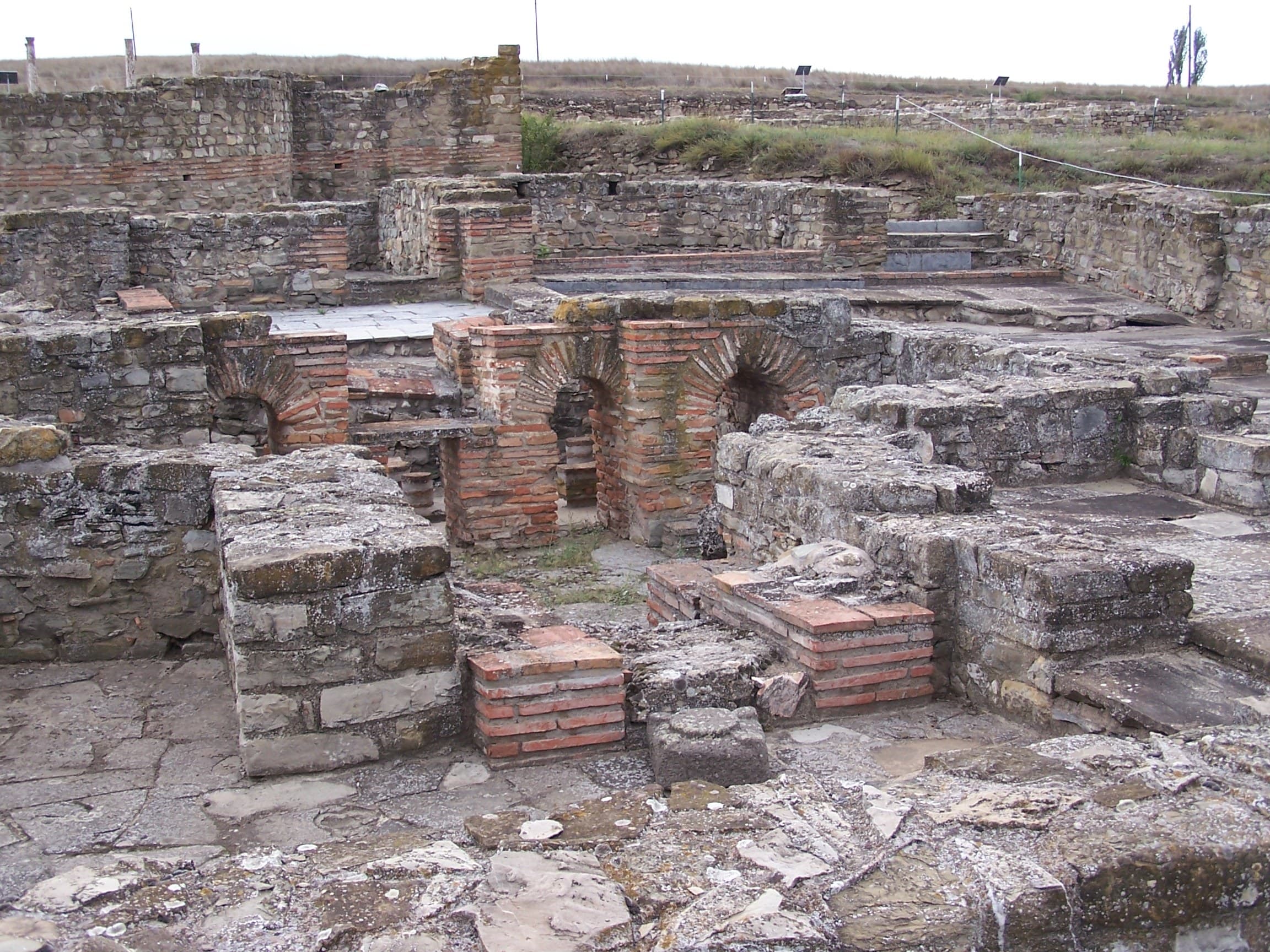
InexpensiveExcavated Roman and early Christian city with a theatre, basilicas and mosaic floors
The episcopal basilica's floors are the highlight; go early, as there is almost no shade on the site.
StobiMosaic FloorsRoman Ruins
In 60 seconds
Where the Crna Reka joins the Vardar stood Stobi, one of the most substantial Roman and early Christian cities in the Balkans and later the capital of the province of Macedonia Secunda. Its theatre, its episcopal basilica and the mosaic floors of its grand houses have been excavated over a century of digging and are the best classical site in the country. The dry hills on either side are Tikveš, North Macedonia's principal wine region, planted mainly with the dark local Vranec and worked from the towns of Kavadarci and Negotino. Behind a dam on the Crna Reka lies Tikveš Lake, from which boats run to monasteries no road reaches.
Best for
Known for
Skip if
You want mountains or a town to walk; Tikveš is hot, dry, dispersed country that needs a car.
Your match
Choose a few travel interests and we will show how well Tikveš & Stobi fits them. Choose interests
See
The things that would make the trip incomplete without them.
Excavated Roman and early Christian city with a theatre, basilicas and mosaic floors
The episcopal basilica's floors are the highlight; go early, as there is almost no shade on the site.
Roman theatre built into the slope above the river, later partly dismantled for building stone
Sit in the upper rows and look out over the river junction; the siting explains why the city was here.
Vineyards across the dry hills around Kavadarci and Negotino, mostly planted with Vranec
Arrange a cellar visit in advance; harvest, in September, is when the region is worth timing a trip for.
Long reservoir between bare hills, with boat trips to shoreline monasteries and gorges
Take a boat rather than driving the shore road; the monasteries at the far end have no other access.
Eat
A short list, kept short on purpose. Each entry answers one question: when is this the right choice?
Too few picks yet for their own heading, so they share this list.
Grills and family restaurants in the wine town, cooking Vardar valley food
The everyday option, and the right place to try selsko meso with a carafe of the local red.
Tasting rooms and restaurants attached to the region's wineries, serving long regional lunches
Book ahead and eat where you taste; nobody in Tikveš expects you to drive straight off afterwards.
Pavement cafés on the main square of the region's largest town
Useful shade in the middle of a hot day between the site and the cellars.
Beyond the obvious
Less obvious, rarely queued for, and usually the part people remember.
Medieval monastery on the shore of Tikveš Lake, reachable only by water
The reason to hire the boat: a painted medieval church with no road, no village and no queue.
The Iron Gate, a narrow gorge where the Vardar cuts through the hills, with a wine town beside it
Stop on the way south; the gorge is a few minutes of road and genuinely dramatic.
Orientation
How the city is actually divided, and what each part is for.
The archaeological site itself, on a terrace above the meeting of the Crna Reka and the Vardar
A site rather than a settlement; allow two hours and bring a hat.
The two working towns of the wine region, with the cellars on the slopes around them
Neither is a sight, and both are where you will sleep, eat and taste.
Stay
Areas rather than hotels — pick the right one and the rest follows.
Rooms at a number of Tikveš wineries, among the vines and with their own tables
The best reason to spend a night in the region rather than passing through it.
Hotels in the region's main town, central for the site, the lake and the cellars
Plain but practical, and the only place with a real choice of rooms.
Practical
Plan this trip — useful links
Context
Enough to make what you are looking at legible.
Stobi is first recorded as a town of Paeonia at the confluence of the Erigon and the Axios.
It became a Roman municipium on the road north, acquiring a theatre, baths, a synagogue and large town houses.
As capital of Macedonia Secunda, Stobi built the basilicas whose mosaic floors are its best-known remains.
Earthquake and invasion ended the city; it was abandoned, and the site was quarried for stone.
Commercial winemaking was established in Tikveš, and the region became the centre of Macedonian wine.
The Crna Reka was dammed, creating Tikveš Lake and leaving several monasteries accessible only by boat.
Further out
Worth a day if you have one to spare.
Tobacco town under a granite hill carrying Marko's Towers and the path to Treskavec
A good counterweight: hills and medieval walls after a day of flat classical archaeology.
The capital, with the largest surviving Ottoman bazaar in the Balkans outside Istanbul
Close enough that Stobi is often done as a half-day from the capital; the wine region deserves longer.