

Patriarchate of Peć
Walled monastery of four adjoining domed churches, painted from the 13th century onward
The four churches open into one another, so the fresco cycles run together; allow a full hour.
Canyon mouthByzantine FrescoesMonastery
In 60 seconds
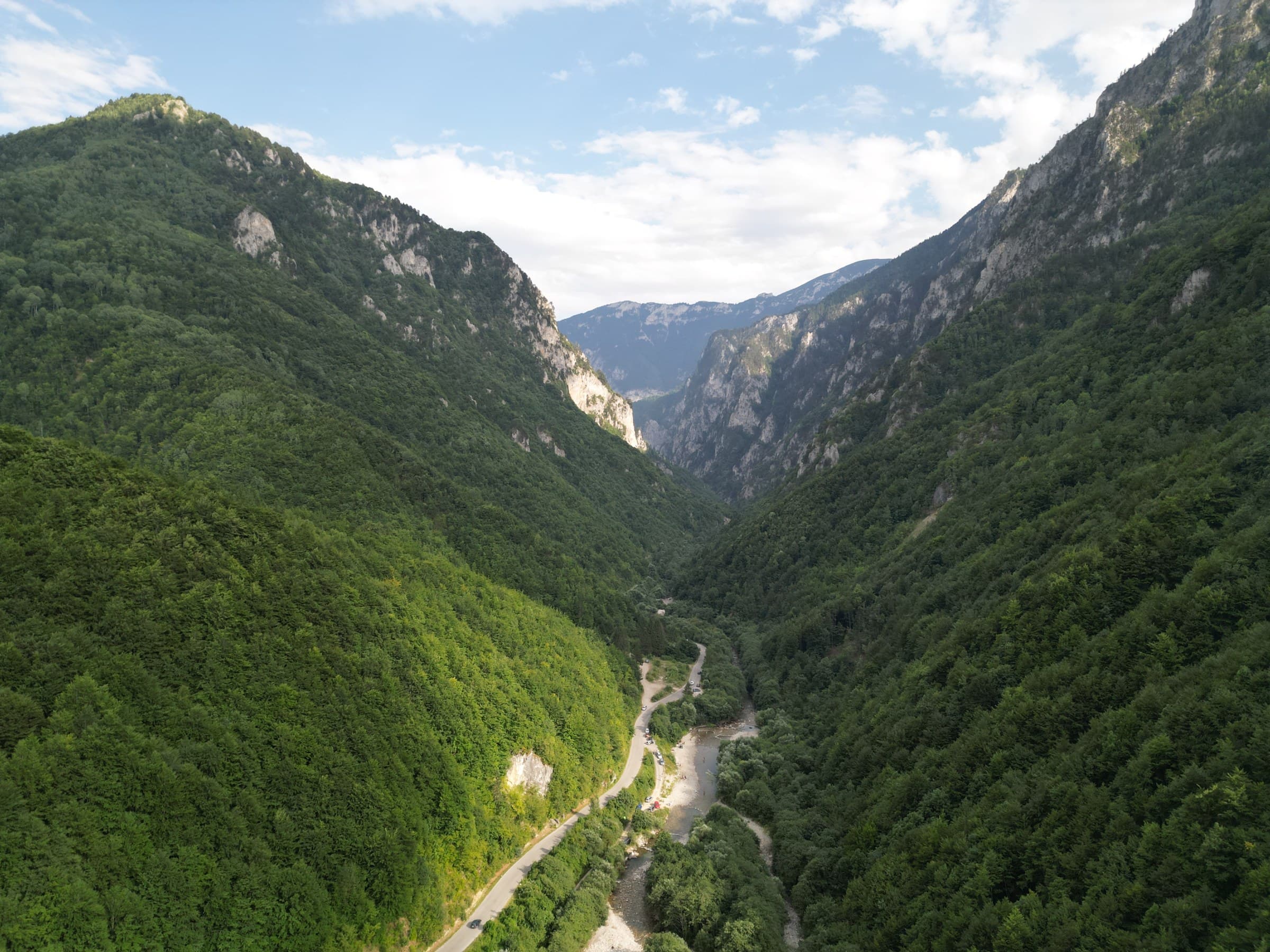
Peja sits where the Rugova canyon opens onto the plain, and the two things are inseparable. At the canyon mouth stands the Patriarchate of Peć, a walled complex of four domed churches built up over the thirteenth and fourteenth centuries and painted throughout — one of the four components of a UNESCO World Heritage property that has been on the List of World Heritage in Danger since 2006. Behind it the road runs some twenty-five kilometres up the gorge into the Bjeshkët e Nemuna, the Accursed Mountains, past climbing walls, via ferrata lines and the cave and waterfall at the source of the White Drin. The town itself keeps a rebuilt bazaar and a great deal of the mountains' cheese.
Best for
Known for
Skip if
You want a town to linger in; Peja is a base, and nearly everything worth your time is up the canyon.
Your match
Choose a few travel interests and we will show how well Peja / Peć & Rugova Canyon fits them. Choose interests
See
The things that would make the trip incomplete without them.
Walled monastery of four adjoining domed churches, painted from the 13th century onward
The four churches open into one another, so the fresco cycles run together; allow a full hour.
Long limestone gorge running west from the town into the high border mountains
Drive the whole length and stop often; the gorge keeps changing character for twenty-five kilometres.
Waterfall emerging from a cave mouth at Radavc, the head of the White Drin
Best in late spring with the snowmelt behind it; in high summer it can be a trickle.
Cabled climbing routes and a suspension bridge on the canyon walls, run by local guides
Booked through guides in Peja; no experience needed for the shorter line, and the exposure is real.
Eat
A short list, kept short on purpose. Each entry answers one question: when is this the right choice?
Too few picks yet for their own heading, so they share this list.
Trout houses and grills along the gorge road, several with terraces over the river
Trout, mountain cheese and flija: order all three and give the afternoon up to it.
Grills and family restaurants in the centre serving qebapa and baked dishes
Perfectly good and very cheap; the canyon is where the memorable meals are.
Cafés along the central streets and around the bazaar
The town's macchiato is as good as the capital's and costs rather less.
Beyond the obvious
Less obvious, rarely queued for, and usually the part people remember.
Long-distance route crossing between Kosovo, Montenegro and Albania through these mountains
Permits are needed for the border crossings and take time; arrange them well before you arrive.
Rebuilt market quarter in the town centre with workshops and a hammam
Much of it is reconstruction after the war; go for the working trades rather than the architecture.
Orientation
How the city is actually divided, and what each part is for.
The town itself: bazaar, cafés, hotels and the road out to the canyon
Functional rather than lovely, and the right place to sleep and hire a guide.
The gorge and the scattered mountain villages along it, up to the high pastures
The reason to come: a single road, and almost everything opens off it.
Stay
Areas rather than hotels — pick the right one and the rest follows.
Hotels and guesthouses in the centre, with guides and transport easiest to arrange
Practical and well connected; stay here if you are doing day trips rather than trekking.
Mountain guesthouses and small lodges along the gorge and in the Rugova villages
Far better if you intend to walk; several are directly on the trailheads.
Practical
Plan this trip — useful links
Context
Enough to make what you are looking at legible.
The Patriarchate of Peć grew from a single church into a complex of four, and became the seat of the Serbian Orthodox Church.
Under Ottoman rule the town developed its bazaar and mosques while the monastery continued in use.
The Kosovo War and the NATO intervention of 1999 caused heavy destruction in the town and displacement across the region.
The Patriarchate was inscribed on the World Heritage List with three other monuments, and the property was placed on the Danger List in 2006.
The Bjeshkët e Nemuna were designated a national park, bringing the canyon and the high mountains under protection.
Further out
Worth a day if you have one to spare.
Marble-banded monastery of the 1330s with the largest surviving fresco programme of its period
The finest of the four medieval monuments, and twenty-five minutes down the road.
Town built around a long rebuilt bazaar, with a 16th-century mosque and a tanners' bridge
Pair it with Dečani for a single day running south down the Dukagjin plain.