

Kosta glassworks
Glass blown here since 1742
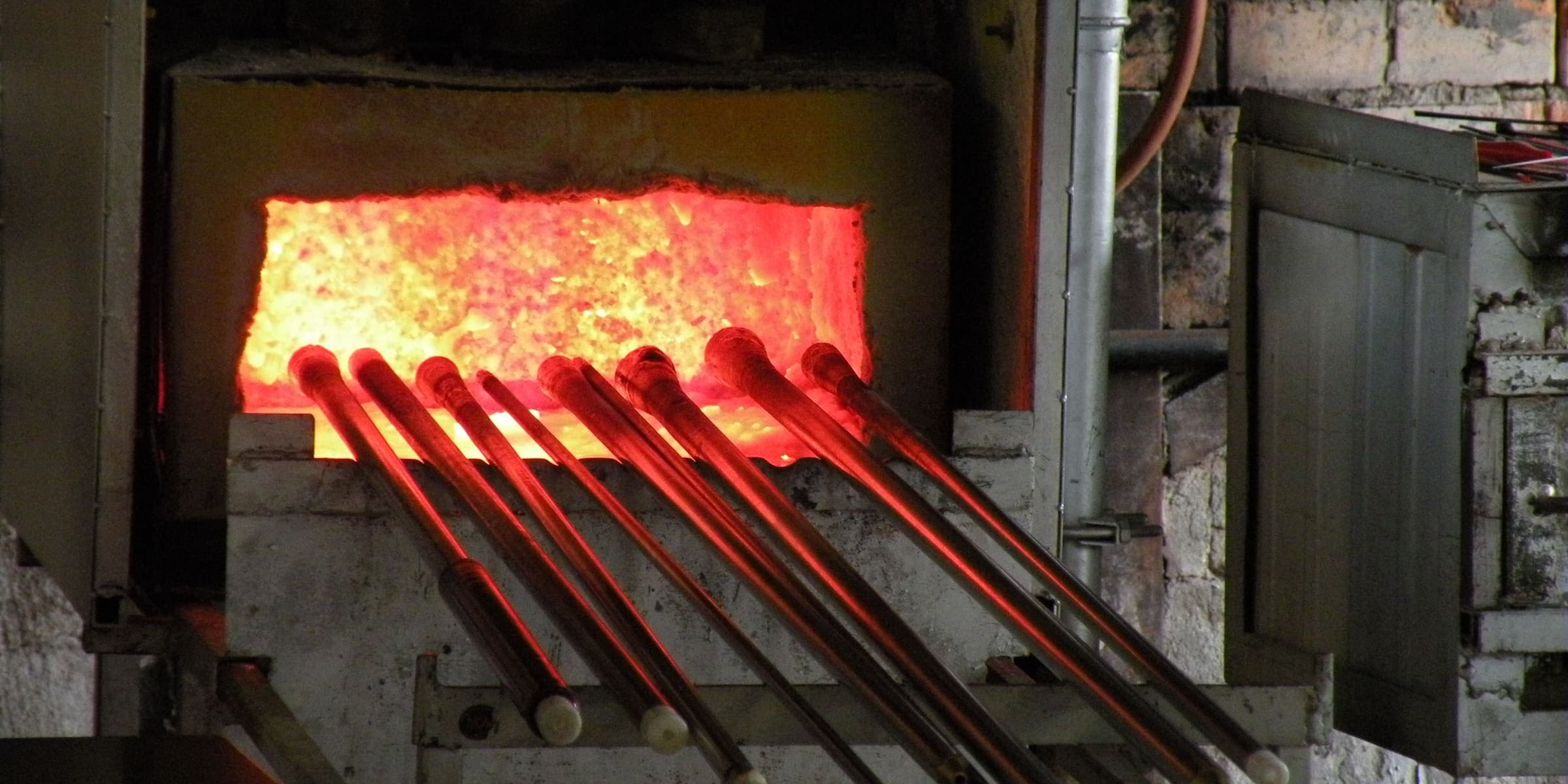
The oldest working glassworks in the region: watch the hot shop from the gallery, then see the Kosta Boda designers' work in the galleries.
KostaDesignGlassblowing
In 60 seconds
Glasriket — the Kingdom of Crystal — is a stretch of Småland forest between Växjö and Kalmar where glass has been blown since 1742. Wood for the furnaces, sand and cheap labour built dozens of glassworks here; a handful still work, and in their hot shops you stand a few metres from the furnace while masters gather, blow and shape molten glass. Kosta, the oldest, has a hotel full of glass art; Målerås lets you try blowing yourself; The Glass Factory in Boda shows the best of a century of Swedish design. In between are lakes, red cottages and the deep woods that so many left: between 1850 and 1930 more than a million Swedes emigrated, many from Småland, and the House of Emigrants in Växjö tells their story. Eat hyttsill — herring cooked in the furnace's heat — on a glassworks evening. Two days by car.
Best for
Known for
Skip if
You have no car — the glassworks are spread through the forest and buses are rare — or no interest in craft: this is a region of workshops and woods, not sights.
Your match
Choose a few travel interests and we will show how well Glasriket fits them. Choose interests
See
The things that would make the trip incomplete without them.
Glass blown here since 1742
The oldest working glassworks in the region: watch the hot shop from the gallery, then see the Kosta Boda designers' work in the galleries.
Museum of Swedish glass art in Boda
A huge collection of 20th-century studio and art glass from the region's works, with a working studio where visiting artists blow glass.
Engraved glass and a hot shop you can try
Famous for Mats Jonasson's engraved animals; book a session in the hot shop to blow your own piece.
The story of the great emigration
Letters, tickets and lives of the Swedes who left for America, and a research centre for visitors tracing their own family.
Eat
A short list, kept short on purpose. Each entry answers one question: when is this the right choice?
Too few picks yet for their own heading, so they share this list.
Herring cooked in the glass furnace
Glassblowers once cooked supper in the furnace's leftover heat; the glassworks keep the tradition with herring, potatoes, isterband and live glassblowing.
Dining among glass art
The glass-filled hotel's restaurant and bar — dinner under coloured glass, with a glass-walled spa for afterwards.
Beyond the obvious
Less obvious, rarely queued for, and usually the part people remember.
Studio glass in the forest at Transjö
A small studio founded by two Kosta masters in 1982, formerly Transjö Hytta; unique pieces and a quiet gallery in the woods.
Glassworks with a wooden blowing room
The last glassworks whose hot shop is built entirely of wood — the look of the industry a century ago.
Paper still made by hand
One of very few mills in the world still making paper by hand, sheet by sheet; tours show the whole process.
Orientation
How the city is actually divided, and what each part is for.
The glass village
Glassworks, galleries, the art hotel and a large outlet in one small forest village.
Stay
Areas rather than hotels — pick the right one and the rest follows.
The art hotel and cottages
The obvious base, central to the glassworks and with somewhere to eat in the evening.
Lake town with trains
A small cathedral city on a lake, with the House of Emigrants and a choice of restaurants; about 45 minutes from Kosta.
Practical
Plan this trip — useful links
Context
Enough to make what you are looking at legible.
Kosta glassworks is founded, named after two county governors, Koskull and Stael von Holstein.
More than a million Swedes emigrate, a great many of them from Småland's poor forest farms.
Orrefors glassworks is founded; artists soon join the craftsmen and Swedish glass becomes world-famous.
Vilhelm Moberg publishes The Emigrants, the first of his novels about Småland farmers who leave for Minnesota.
Further out
Worth a day if you have one to spare.
Castle town on the Baltic
A Renaissance castle and a walled old town; carry on over the bridge to Öland.