

Širok Sokak
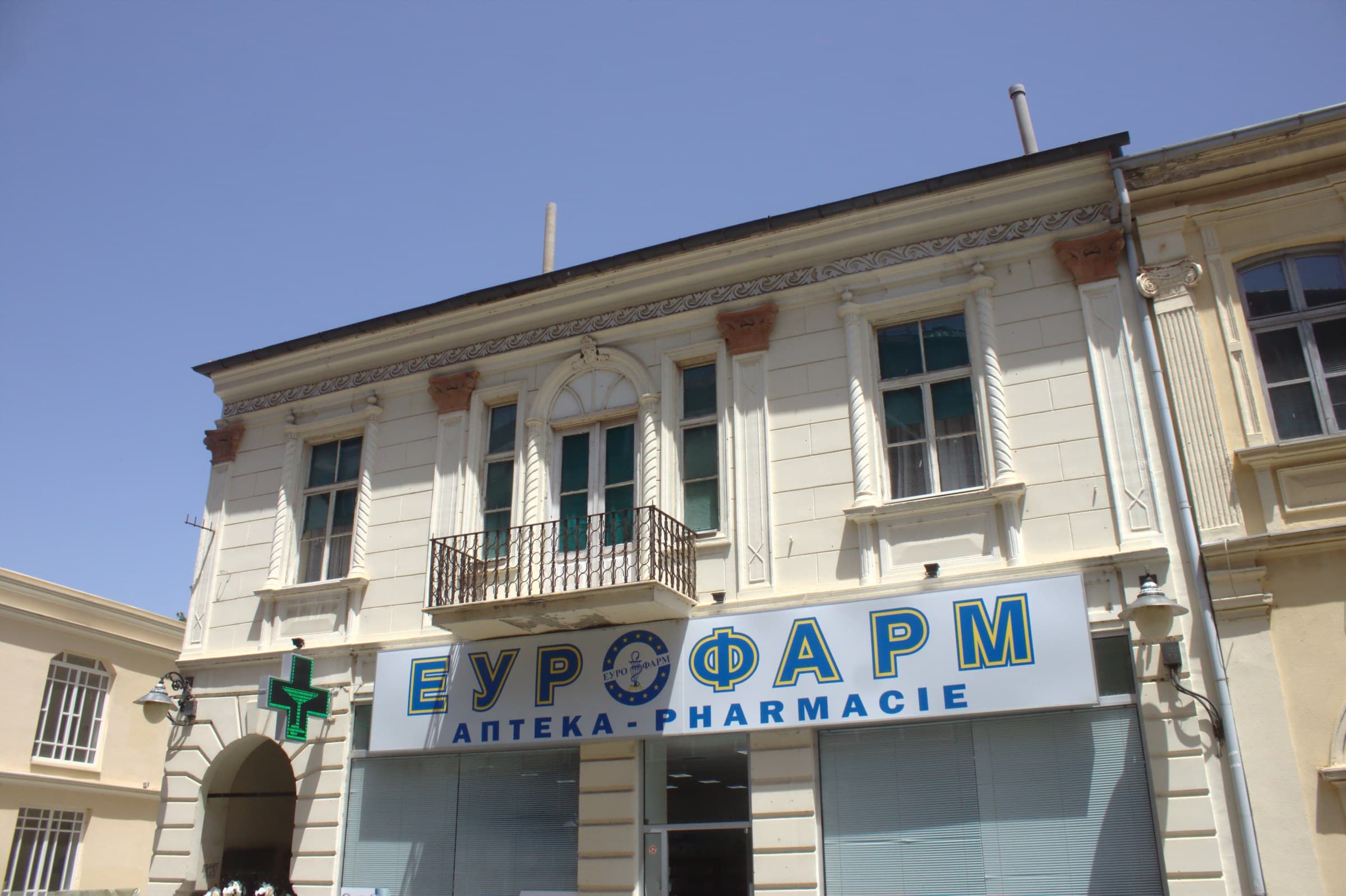
Long pedestrian boulevard of 19th-century facades, former consulates and pavement cafés
Walk it end to end in the early evening, when the whole city is doing the same thing.
City CentreConsular CityPromenade
In 60 seconds
Bitola was the Ottoman Empire's administrative seat in Macedonia and the place where a dozen European powers kept consulates, which is why its main street is a boulevard of nineteenth-century town houses rather than a bazaar lane — though it has one of those too. Immediately outside the city lies Heraclea Lyncestis, founded by Philip II of Macedon and later a Roman and early Christian city, whose basilica floors carry some of the finest mosaics in the Balkans. Above both rises Pelister, declared a national park in 1948 and the country's oldest, protecting dense stands of the five-needled Molika pine and two glacial lakes known as Pelister's Eyes.
Best for
Known for
Skip if
You want a lake or a coast; Bitola is an inland provincial city and Pelister is serious walking country.
Your match
Choose a few travel interests and we will show how well Bitola & Pelister fits them. Choose interests
See
The things that would make the trip incomplete without them.
Long pedestrian boulevard of 19th-century facades, former consulates and pavement cafés
Walk it end to end in the early evening, when the whole city is doing the same thing.
Ancient city founded by Philip II, with a Roman theatre and mosaic-floored basilicas
The large basilica mosaic of birds and trees is the reason to come; it is kept under cover.
The country's oldest national park, rising from the plain to a 2,601-metre summit
Even an hour on the lower Molika trails is worth it; the big lakes need a full day on foot.
Ottoman market quarter north of the river, with the clock tower and Ishak Çelebi Mosque beside it
Smaller and plainer than Skopje's, and still a working market; go for the produce, not souvenirs.
Eat
A short list, kept short on purpose. Each entry answers one question: when is this the right choice?
Too few picks yet for their own heading, so they share this list.
Terrace restaurants along the boulevard serving grills, mezze and Pelagonian wine
Sit outside and order a spread of mezze with a carafe of red; the boulevard is the entertainment.
Family restaurants in the foothill villages cooking lamb, trout and bean dishes
Drive up for a long lunch after the morning on the trails; everything takes an hour, as it should.
Pavement cafés running the length of Širok Sokak, full from mid-morning onward
Bitola takes its coffee seriously and slowly; an hour on the boulevard is the local unit of time.
Beyond the obvious
Less obvious, rarely queued for, and usually the part people remember.
Two glacial tarns high on the Baba massif, reached on a long marked ascent from the park
A serious day's walk with no shade near the top; start early and carry all your water.
Stone villages on the Pelister slopes with Aromanian heritage and summer houses of Bitola families
Twenty minutes above the city and several degrees cooler; worth it for the churches and the quiet.
Orientation
How the city is actually divided, and what each part is for.
The boulevard, the theatre, the museum and the former consulates, all within a few streets
Compact, flat and handsome; the one part of the city you will keep returning to.
Stay
Areas rather than hotels — pick the right one and the rest follows.
Hotels and apartments on or just off the boulevard, within walking distance of everything central
Stay central and drive out to Pelister and Heraclea; both are short trips.
Mountain hotels and village rooms on the park's lower slopes above the city
Cooler in summer and right on the trailheads, at the cost of driving in for dinner.
Practical
Plan this trip — useful links
Context
Enough to make what you are looking at legible.
Philip II of Macedon founded Heraclea Lyncestis on the Pelagonian plain below the Baba massif.
Heraclea grew on the Via Egnatia and gained the basilicas whose mosaic floors are its best-known remains.
Under Ottoman rule Manastır, as Bitola was known, became the administrative centre of Macedonia.
A dozen European powers kept consulates here, and the boulevard of town houses was built for them.
Pelister was declared a national park, the first in the country, chiefly to protect its Molika pine forests.
Further out
Worth a day if you have one to spare.
The country's highest town, with the Ilinden monument and the battle site at Mečkin Kamen
A short drive for a very different mood: thin air, steep lanes and twentieth-century memory.
Tobacco town under a hill of granite boulders carrying Marko's Towers
Go for the walk up to the towers and on towards Treskavec; the town itself is a lunch stop.