

St Mark's Basilica
ModerateByzantine basilica · Gold mosaics
Book a timed entry for the first slot, and pay for the Pala d'Oro and the terrace over the square.
San MarcoBook aheadEarly
In 60 seconds
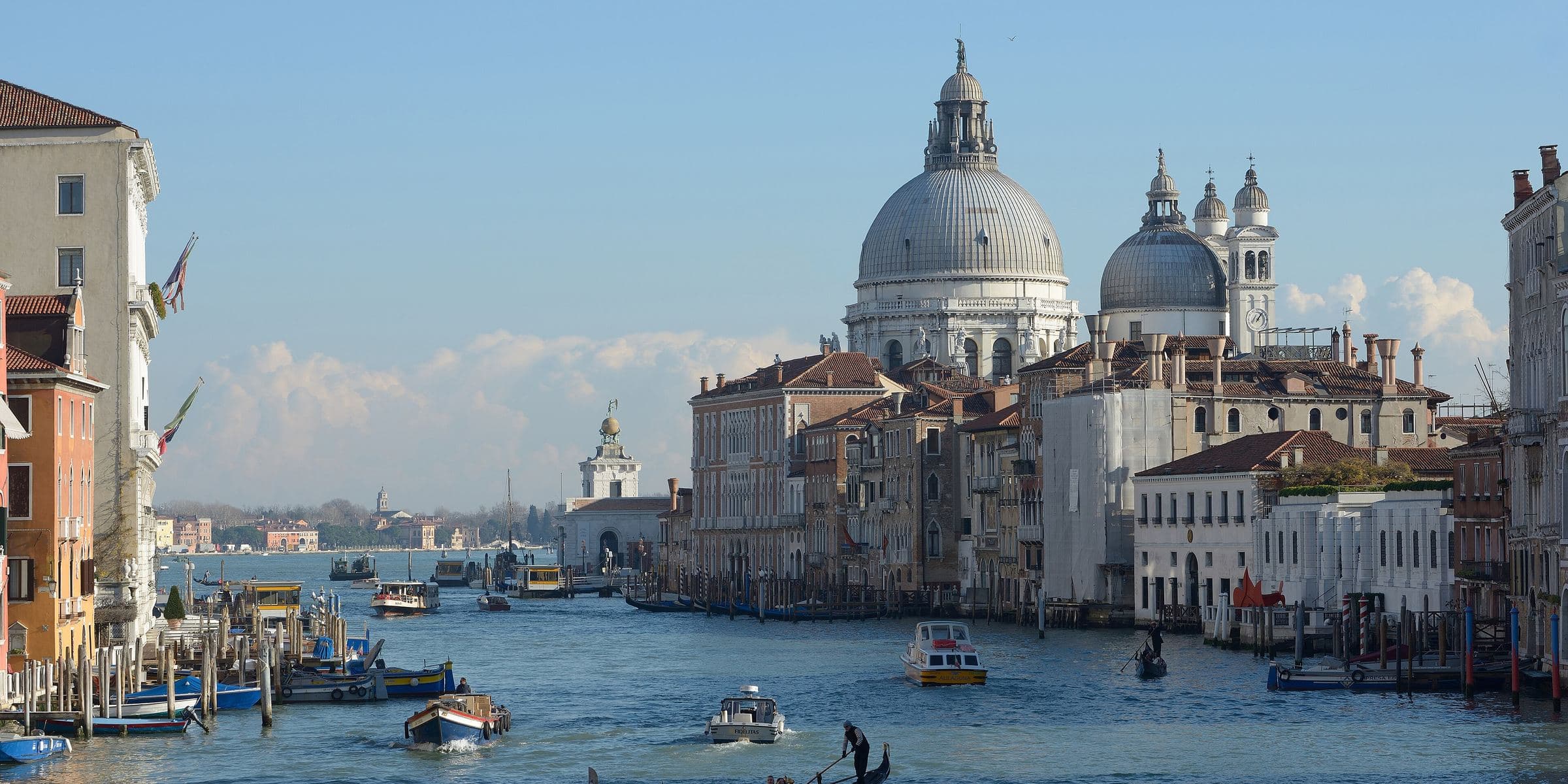
Venice is everything it is said to be, and it is crowded in exactly the places you have heard of. The answer is timing and direction: St Mark's at opening, the Accademia mid-morning, and the rest of the day in Cannaregio, Castello and Dorsoduro, where Venetians still live and eat cicchetti standing at the bar. Walk rather than ride — the city crosses on foot in under an hour — and keep a vaporetto pass for the Grand Canal and the islands. Day visitors pay an access fee on peak days; overnight guests do not. Stay at least one night — the city after the day visitors leave is the reason to come. Two or three days, with a morning on the lagoon islands.
Best for
Known for
Skip if
Crowds and high prices would spoil it. Summer days in the centre are packed, and day visitors pay an access fee on some dates.
Your match
Choose a few travel interests and we will show how well Venice fits them. Choose interests
See
The things that would make the trip incomplete without them.
Byzantine basilica · Gold mosaics
Book a timed entry for the first slot, and pay for the Pala d'Oro and the terrace over the square.
Seat of the Republic · Bridge of Sighs
The council chambers, the prisons and the Bridge of Sighs from the inside. Go straight after opening.
Venetian painting · Titian, Tintoretto
The great Venetian painters in a former convent and school, by the wooden Accademia bridge.
Eat
A short list, kept short on purpose. Each entry answers one question: when is this the right choice?
Where to eat the food this city is actually known for.
Classic Venetian seafood
A family-run trattoria in a San Polo backstreet, cooking fish from the Rialto market. Book ahead.
Vegetable-led osteria
A daily-changing menu where vegetables lead, by a canal in Santa Croce; the pumpkin flan is the signature.
Lagoon fish on Burano
Fish and seafood from the lagoon, on the island of Burano — the reason to stay for lunch.
No booking, no ceremony, reliably good.
Afghan and Middle Eastern platters
Generous, affordable platters cooked by a team of refugee cooks, in San Polo.
Pizzeria on the Zattere
Good pizza with organic ingredients, and tables on the Zattere waterfront.
Trattoria behind the opera house
A long-standing taverna behind La Fenice, known for its risotto.
Worth planning the evening around.
Alajmo brothers' restaurant on St Mark's Square
A Michelin-starred dining room above the square's historic café, under Murano glass chandeliers.
Island vineyard restaurant
A Michelin-starred tasting menu beside a walled vineyard on Mazzorbo, next to Burano.
Family restaurant · Adriatic fish
A family-owned restaurant in Castello since 1987, cooking Adriatic fish and lagoon vegetables.
Mornings, and the slow hour between things.
Café on St Mark's Square · 1720
Italy's oldest café, with painted salons on the square. Expensive, and it knows it — have one coffee inside.
Historic Venetian pasticceria
A historic Venetian pastry shop for an espresso and a pastry at the counter; the branch on Campo Santi Giovanni e Paolo is the classic.
Roaster's coffee bar near Rialto
A coffee bar off the Rialto serving its own roasts, espresso at the counter.
Beyond the obvious
Less obvious, rarely queued for, and usually the part people remember.
Spiral staircase tower
A Renaissance spiral staircase hidden in a courtyard, with a small view over the rooftops from the top.
Palladio's island church · Bell tower
Take the vaporetto across for Palladio's church and the bell tower view back at St Mark's, without the queue.
The first ghetto · Synagogues
The quarter that gave the world the word, with its tall houses, synagogues and a quiet campo in Cannaregio.
After dark
Birthplace of the Bellini · 1931
The small, plain room by the San Marco waterfront where the Bellini was invented. Pricey, and an institution.
Bacaro · Since 1448
One of the oldest bacari in the city, near the Rialto: an ombra of wine and cicchetti at the bar.
Wine shop and cicchetti bar
A family wine shop on a Dorsoduro canal, where you drink an ombra and eat cicchetti standing outside.
Orientation
How the city is actually divided, and what each part is for.
Canals where Venetians live
Long canal-side fondamente, the Ghetto and the city's best evenings out.
Galleries and the Zattere
The Accademia, the Guggenheim and the sunny Zattere waterfront.
The Arsenale and quiet campi
The old shipyards, the Biennale gardens and the most local corner of the city.
Stay
Areas rather than hotels — pick the right one and the rest follows.
The centre
Steps from the basilica, at the highest prices and with the most people.
Galleries, calmer evenings
Close to the museums and the vaporetto, quieter at night.
Near the station, local feel
Easy to reach with luggage, with good bars and restaurants on the fondamente.
Practical
Plan this trip — useful links
Context
Enough to make what you are looking at legible.
The Republic of Venice rules a trading empire for eleven centuries.
Venice confines its Jewish population to the Ghetto, the first in the world to bear the name.
Venice and its lagoon are inscribed as a UNESCO World Heritage Site.
Further out
Worth a day if you have one to spare.
The glass island
Glass furnaces and the Glass Museum, a short vaporetto ride from Fondamente Nove.
Lace and coloured houses
Brightly painted houses and lace-making, further out in the lagoon. Lunch here, not dinner.
The lagoon's first settlement
A near-empty island with a Byzantine cathedral and mosaics, the quietest place in the lagoon.
Go further
Multi-city trips that stop here, with the transport between them.