

Grenen Sand Spit
The meeting point of the Skagerrak and Kattegat seas
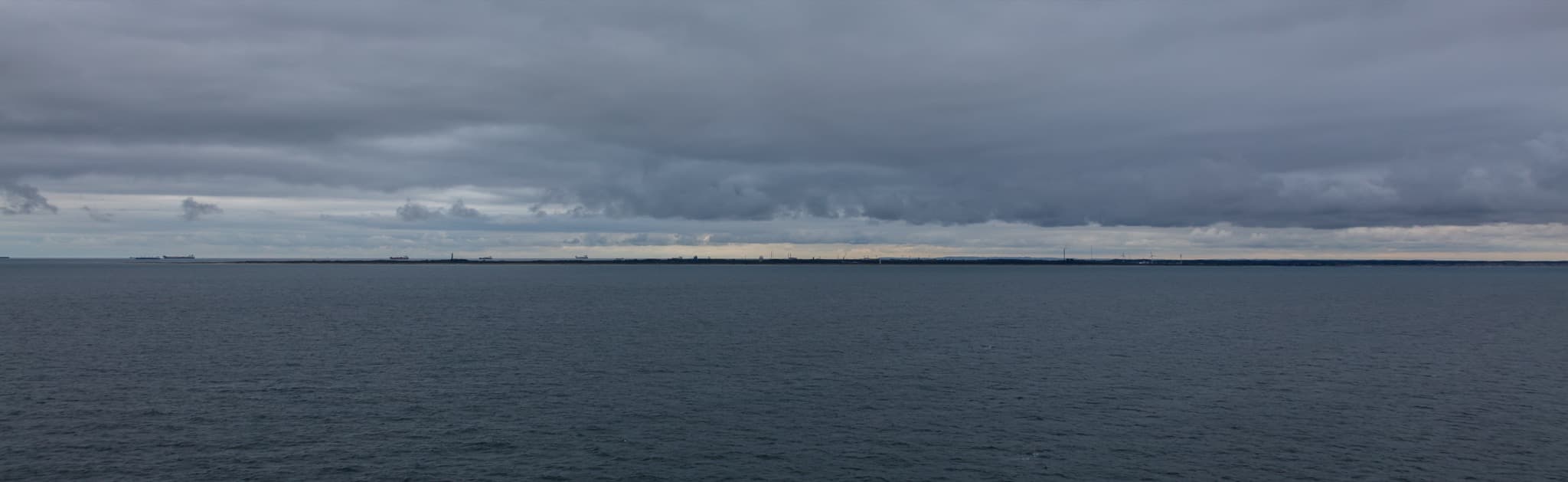
Stand with one foot in the Kattegat and the other in the Skagerrak as opposing waves break against each other.
GrenenCoastFree
In 60 seconds
At the northernmost tip of Denmark, the sand spit of Grenen divides the Skagerrak from the Kattegat, their waves colliding in foamy white crests. The luminous northern light that drew the late 19th-century Skagen painters still washes over yellow-plastered cottages, migrating dunes at Råbjerg Mile, and bustling seafood quays.
Best for
Known for
Skip if
You dislike bracing coastal winds, shifting dune landscapes and long distances; Skagen sits at the very apex of Jutland.
Your match
Choose a few travel interests and we will show how well Skagen & North Jutland fits them. Choose interests
See
The things that would make the trip incomplete without them.
The meeting point of the Skagerrak and Kattegat seas
Stand with one foot in the Kattegat and the other in the Skagerrak as opposing waves break against each other.
World-famous collection of the Skagen painters
Luminous impressionist canvasses by P.S. Krøyer and Anna and Michael Ancher capturing the light and life of fishermen.
Denmark's largest migrating sand dune
A vast miniature Sahara of shifting white sand up to 40 metres high, creeping fifteen metres eastwards every year.
Eat
A short list, kept short on purpose. Each entry answers one question: when is this the right choice?
Where to eat the food this city is actually known for.
Historic seafood tavern on the harbour with sand on the floor
Dip your toes in the sand on the floor of Bindesbøll's red wooden fish packing sheds while eating steamed mussels and plaice.
Panoramic dining room facing the colliding seas at Grenen
Floor-to-ceiling glass looking out over the beach where the seas meet, matching local fish with organic herbs.
Mornings, and the slow hour between things.
Traditional bakery with Danish pastries and sourdough
The morning destination for warm cinnamon swirls, dark rugbrød and freshly brewed coffee in town.
Artisan coffee and light lunch in a quiet garden
A sunny courtyard garden near the art museum serving specialty pour-overs, open sandwiches and homemade cakes.
Too few picks yet for their own heading, so they share this list.
Quayside warehouse dining known for pan-fried fish
A red harbour warehouse adorned with antique figureheads, dishing up creamy fish soup and fresh North Sea cod.
Fine dining in the legendary seaside hotel of Gl. Skagen
Decades of coastal culinary excellence serving Skagen langoustines, turbot and French classicism near the dunes.
Beyond the obvious
Less obvious, rarely queued for, and usually the part people remember.
14th-century church tower buried in drifting dunes
A lone whitewashed brick tower emerging from the pine woods, the only surviving remnant of Saint Lawrence church.
Old west-coast fishing village and sunset spot
Golden-ochre cottages nestled in marram grass, where locals gather on Solnedgangspladsen to applaud evening sunsets.
Iconic clifftop lighthouse rolled inland to escape erosion
Perched dramatically atop soaring sand dunes, famously moved 70 metres inland on steel rails in 2019 to evade sea collapse.
After dark
Denmark's northernmost microbrewery and beer hall
A jovial brewery taproom and leafy beer garden serving Drachmann pilsners and Skawskum dark lagers with live weekend tunes.
Upscale seaside terrace in Gl. Skagen
Sip chilled champagne or Akvavit spritzes in the afternoon sun after a bracing walk along the western dunes.
Orientation
How the city is actually divided, and what each part is for.
Historic artists' quarter, ochre houses, white roof rims
Lined with painters' former residences, featuring the signature Skagen yellow facades bordered by white mortar trims.
West coast village facing the wild Skagerrak waves
A sophisticated seaside enclave with thatched seaside hotels, sandy lanes and dramatic sunset views.
Active fishing docks, Bindesbøll sheds and seafood bars
The beating maritime heart of Skagen where trawlers unload their daily catch right opposite red timber fish restaurants.
Stay
Areas rather than hotels — pick the right one and the rest follows.
Walkable to railway station, art museums and harbour
The most practical base for exploring galleries, dining in the harbour and cycling out to Grenen.
Seaside hotels and quiet dune retreats
Peaceful, breezy and luxurious, ideal for couples seeking coastal walks and sound-of-the-waves evenings.
Practical
Plan this trip — useful links
Context
Enough to make what you are looking at legible.
King Eric of Pomerania grants town status to Skagen, then one of Scandinavia's key herring centers.
The Skagen painters colony establishes itself, painting outdoor studies in the distinctive northern light.
The modern industrial fishing harbour opens, designed with distinctive red packing houses by architect Thorvald Bindesbøll.
Further out
Worth a day if you have one to spare.
Artisanal seaside village and cliff erosion landscapes
A dramatic village of glass artists, potters and fishing boats hauled directly onto the beach.
Seaweed-roofed houses, saltworks and langoustines
An extraordinary island in the Kattegat celebrated for historic houses roofed with thick eelgrass and open-pan salt boiling.