
Traveleriences
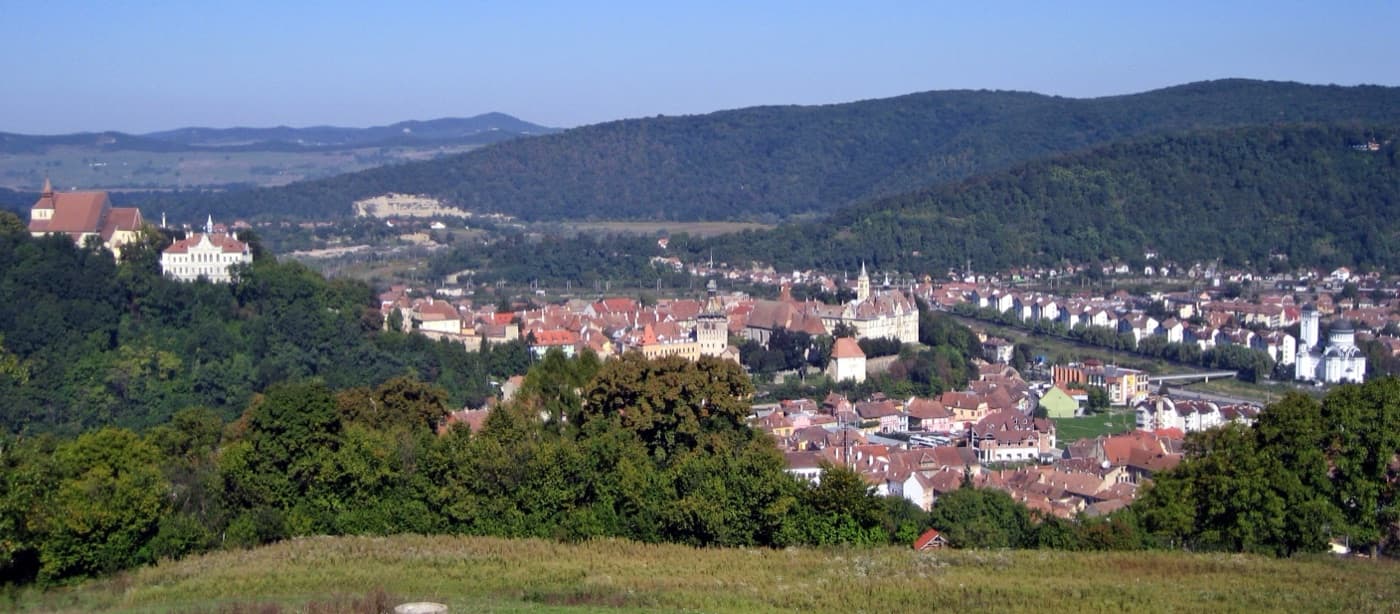
The iconic multi-tiered Clock Tower standing over the medieval hilltop citadel of Sighișoara

Sighișoara, Romania

Ideal: 1–2 daysBest: May–OctPrice: Inexpensive

In 60 seconds

Sighișoara in 60 seconds

Perched on a lush hilltop overlooking the Târnava Mare River, Sighișoara (Schässburg) is Europe's most intact continuously inhabited medieval citadel and a UNESCO World Heritage site. Built by Transylvanian Saxons in the twelfth century, the walled Upper Town preserves nine original guild bastions, including the Tinmakers', Butchers', and Tailors' Towers. The town's defining symbol is the monumental sixty-four-metre Clock Tower, whose mechanical wooden figurines mark the hours above the main fortress gate. Cobblestone alleyways lined with vivid pastel-painted houses wind upward to the 1642 Scholars' Covered Stairs (Scara Acoperită), leading to the hilltop Church on the Hill and its ancient Saxon cemetery shaded by ancient linden trees.

UNESCOTransylvaniaMedieval CitadelCobblestonesSaxon Heritage

Best for

    Known for

    • The 64-metre Clock Tower featuring mechanical wooden symbolic figurines
    • One of Europe's last continuously inhabited medieval hilltop citadels
    • Scholars' Covered Stairs (Scara Acoperită) built in 1642 with 175 wooden steps
    • Nine preserved guild defensive watchtowers lining the citadel ramparts
    • The Church on the Hill (Biserica din Deal) with 500-year-old crypt frescoes

    Skip if

    You struggle with uneven stone paths; the entire citadel is paved with historic cobblestones and features steep wooden stairways.

    Your match

    Choose a few travel interests and we will show how well Sighișoara fits them. Choose interests

    See

    Must experience

    The things that would make the trip incomplete without them.

    Sighișoara Clock Tower (Turnul cu Ceas)

    Inexpensive

    Fourteenth-century fortified entry tower housing the History Museum and a balcony with 360-degree citadel views

    Climb past the centuries-old clock mechanism to the outdoor wooden balcony for an unforgettable vista over the citadel rooftops.

    Citadel EntranceClock TowerHistory Museum

    Scholars' Covered Stairs (Scara Acoperită)

    Inexpensive

    Timber-roofed staircase built in 1642 to shelter schoolchildren during winter ascents up to the hilltop church

    Walk up the 175 historic wooden steps under the timber roof to emerge beside the peaceful Saxon churchyard.

    Citadel Centre17th CenturyHistoric Passage

    Church on the Hill (Biserica din Deal)

    Inexpensive

    Monumental fifteenth-century Gothic church containing Transylvania's only crypt with stone tombs and ancient wall frescoes

    Step down into the cool stone crypt and inspect restored fragments of pre-Reformation Catholic wall frescoes.

    HilltopCryptGothic church

    Eat

    Where to eat

    A short list, kept short on purpose. Each entry answers one question: when is this the right choice?

    More places to eat

    Too few picks yet for their own heading, so they share this list.

    Gasthaus Alte Post

    Moderate

    Traditional cellar tavern near the fortress gate serving authentic Saxon and Transylvanian roasts and strudels

    Dine on tender roasted pork with sour cherry sauce and warm apple strudel in an authentic wood-panelled dining room.

    Lower CitadelCellar TavernRoasts

    Medieval Café Restaurant

    Inexpensive

    Atmospheric stone-walled restaurant inside the citadel offering savoury goulash and grilled trout

    Enjoy a hearty bowl of Transylvanian goulash at outdoor wooden tables situated on a tranquil cobblestone alley.

    Citadel CoreCitadel DiningCobblestones

    The Bean Specialty Coffee

    Inexpensive

    Specialty coffee outpost right below the Clock Tower serving artisan espresso, craft tonic brews, and pastries

    Sip a velvety flat white while admiring the towering silhouette of the medieval Clock Tower from the terrace.

    Clock Tower BaseArtisanCitadel View

    Beyond the obvious

    Hidden gems

    Less obvious, rarely queued for, and usually the part people remember.

    Tinmakers' Tower (Turnul Cositorilor)

    Inexpensive

    Unusual twenty-five-metre pentagonal defense tower connected to the citadel walls by an elevated timber gallery

    Examine the unique pentagonal brickwork and musket loops that defended the vulnerable southeastern citadel ridge.

    Citadel RampartsDefensive WallsGuild Tower

    After dark

    Bars & nightlife

    Pivnița lui Vlad

    Inexpensive

    Historic vaulted wine cellar offering tastings of local Târnava valley white wines and Transylvanian spirits

    Taste crisp Fetească Regală wines produced in nearby Saxon vineyard hills in a cozy candlelit stone cellar.

    Citadel CoreTârnava WineTuică Tasting

    Orientation

    Neighbourhoods

    How the city is actually divided, and what each part is for.

    Upper Town Citadel (Cetatea)

    The walled hilltop core containing pastel merchant houses, guild towers, cobblestone squares, and historic inns

    Take an unhurried twilight stroll through the quiet upper alleys once day-trippers have departed for the evening.

    Stay

    Where to stay

    Areas rather than hotels — pick the right one and the rest follows.

    Inside the Citadel Walls

    Historic boutique guesthouses and hotels set directly inside sixteenth-century burgher houses

    Stay inside the fortress walls to wake up to church bells and enjoy silent cobblestone lanes in early morning light.

    Practical

    Know before you go

    Luggage advice
    The steep cobblestones and staircases make wheeled suitcases difficult; consider packing light or requesting assistance from your pension.
    Train access
    Sighișoara railway station lies on the main line between Brașov and Cluj-Napoca, a fifteen-minute walk from the citadel base.

    Context

    History in 5 minutes

    Enough to make what you are looking at legible.

    1. 1280

      Saxon settlers establish the fortified colony of Castrum Sex on the high plateau above the Târnava river.

    2. 1431

      Vlad III Dracula is born in an aristocratic house located near the Clock Tower during his father's Transylvanian exile.

    3. 1999

      UNESCO inscribes the Historic Centre of Sighișoara onto the World Heritage list as an outstanding example of a fortified medieval town.

    Further out

    Nearby escapes

    Worth a day if you have one to spare.

    Biertan Fortified Church

    Magnificent UNESCO-listed fourteenth-century Saxon fortified complex with three concentric walls and a marital prison

    Visit the ingenious mechanical 19-bolt wooden sacristy lock and hear the story of the village marital reconciliation room.

    30 minutes west by carConcentric WallsMarital Prison

    Viscri Saxon Village

    Idyllic rural Saxon village with unpaved streets, traditional pastel farmsteads, and a twelfth-century fortified church

    Walk through unpaved village streets where horses still pull carts and visit the King's Foundation heritage guesthouses.

    45 minutes southeast by carCobblestonesRural Saxon