
Traveleriences
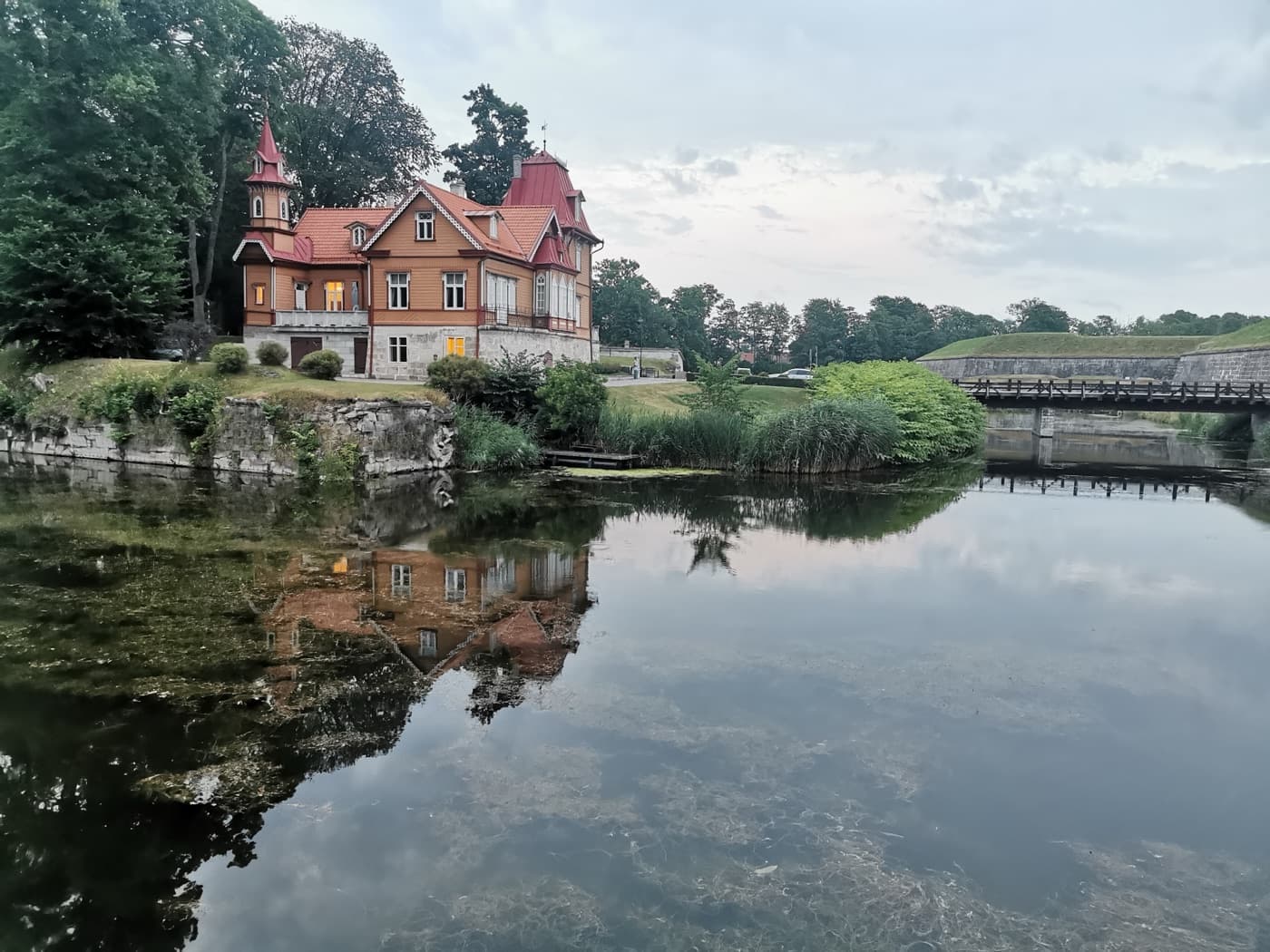
The formidable stone ramparts and moat of Kuressaare Episcopal Castle on Saaremaa island

Saaremaa, Estonia

Ideal: 2–3 daysBest: May–SepPrice: Moderate

In 60 seconds

Saaremaa in 60 seconds

Estonia's largest island sits in the Baltic Sea, guarding the Gulf of Riga with a pastoral landscape of fragrant juniper meadows, moss-covered drystone walls, coastal thatched windmills and limestone cliffs. Saaremaa's capital, Kuressaare, is crowned by the astonishingly intact 14th-century Episcopal Castle, the only completely preserved medieval stone fortress in the Baltic states, surrounded by wide water-filled moats and tranquil coastal parkland. Beyond town, the island feels untouched: ancient wooden windmill clusters at Angla turn against the sea breeze, wild coastal headlands at Sõrve jut into open waters, and the mysterious meteorite impact craters at Kaali reveal cosmic history etched into sacred island soil.

IslandsHistoryNatureCastlesSeasideHidden gems

Best for

    Known for

    • Kuressaare Episcopal Castle & moat
    • Kaali meteorite crater field
    • Angla Heritage Windmill Mount
    • Panga limestone coastal sea cliffs
    • Sõrve lighthouse & military heritage peninsula

    Skip if

    You require fast urban transit or commercial chain hotels; Saaremaa moves at island speed with independent guesthouses and open country roads.

    Your match

    Choose a few travel interests and we will show how well Saaremaa fits them. Choose interests

    See

    Must experience

    The things that would make the trip incomplete without them.

    Kuressaare Episcopal Castle

    Moderate

    14th-century convent-type stone fortress and island history museum encircled by moat and bastions

    The most pristine medieval castle in the Baltics, with cloistered stone halls, chapter rooms and rampart views.

    KuressaareMedieval CastleMuseum

    Kaali Meteorite Crater

    Inexpensive

    Green circular crater lake formed by a catastrophic meteor impact around 1500 BC

    Stand by the circular, tree-shaded emerald pond formed by the most recent giant meteorite impact in a populated European area.

    KaaliGeological WonderNature

    Angla Windmill Mount

    Inexpensive

    Historic cluster of four traditional wooden trestle windmills and one Dutch windmill on an open rise

    An evocative lineup of weathered wooden windmills where you can grind grain and taste traditional island rye bread.

    AnglaFolk HeritageRural Culture

    Eat

    Where to eat

    A short list, kept short on purpose. Each entry answers one question: when is this the right choice?

    Local

    Where to eat the food this city is actually known for.

    Restoran Ku-Kuu

    Moderate

    Lakeside park restaurant in the historic Kuressaare resort hall specialising in local Baltic fish

    Estonian wild flounder, smoked garfish and island pikeperch served in a gingerbread wooden summer hall overlooking the moat.

    Castle ParkFresh fishHistoric Pavillion

    Chameleon Bar & Restaurant

    Moderate

    Contemporary dining on Kuressaare main square with island ingredients and craft gin cocktails

    Slow-roasted Saaremaa lamb, juniper-cured venison and sea buckthorn desserts on a sunny central terrace.

    Town CentreCocktailsLocal produce

    More places to eat

    Too few picks yet for their own heading, so they share this list.

    Kuressaare Windmill Café (Veski)

    Inexpensive

    Tavern and café inside a restored 1899 Dutch-style windmill on central Pärna street

    Sip house-brewed juniper beer and hot coffee inside the giant timber gear-room of a century-old windmill.

    KuressaareHistoric WindmillLocal Brews

    Stay

    Where to stay

    Areas rather than hotels — pick the right one and the rest follows.

    Kuressaare Town

    Moderate

    Compact seaside capital featuring spa hotels, historic manor guesthouses and castle gardens

    The natural base for any island stay, offering the best selection of dining, spas and bike rentals.

    CentralSpas

    Muhu Island & Rural Coast

    Expensive

    Thatched farmstead cottages and peaceful coastal villages linked to Saaremaa by road causeway

    Pure pastoral silence, ideal for travellers seeking thatched stone cottages and starry Baltic night skies.

    CountrysideHistoric Farmsteads

    Practical

    Know before you go

    Getting in
    Drive from Tallinn to Virtsu harbour (1h 45m), then take the modern TS Laevad car ferry across to Muhu island (25 mins), connected to Saaremaa by causeway.
    Getting around
    A car or bicycle is essential for exploring the coastal cliffs, craters and countryside beyond Kuressaare.
    Juniper culture
    Hand-carved butter knives and cutting boards made from aromatic Saaremaa juniper wood make classic island keepsakes.

    Context

    History in 5 minutes

    Enough to make what you are looking at legible.

    1. 1380

      The Teutonic Order and Bishopric of Ösel-Wiek erect the monumental stone castle at Kuressaare.

    2. 1559

      Saaremaa is sold to the Kingdom of Denmark, before later ceding to Sweden in 1645 under the Treaty of Brömsebro.

    3. 1945–1990

      Due to its strategic western border location, Saaremaa becomes a closed Soviet border zone, inadvertently preserving its pristine nature.

    Further out

    Nearby escapes

    Worth a day if you have one to spare.

    Sõrve Peninsula & Lighthouse

    Dramatic southern gravel spit jutting into the Irbe Strait towards Latvia with a black-and-white lighthouse

    Climb the 52-metre conical tower for sweeping views where the Baltic Sea clashes with the Gulf of Riga.

    45 minutes south by carCoastal ViewsLighthouse