
Traveleriences
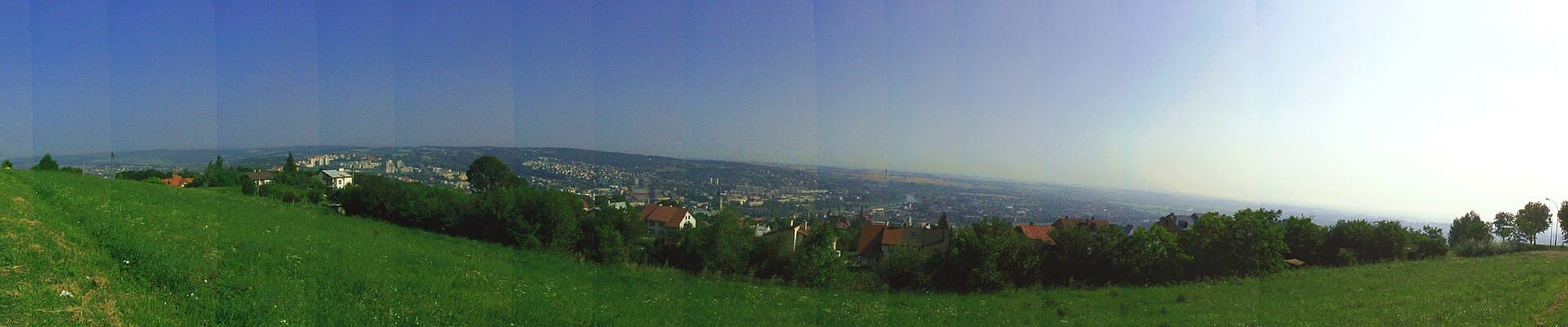
Historic rooftops and renaissance castle towers in Przemyśl overlooking the San River valley

Przemyśl, Sanok & Carpathian Borderlands, Poland

Ideal: 2–4 daysBest: May–OctPrice: Inexpensive

In 60 seconds

Przemyśl, Sanok & Carpathian Borderlands in 60 seconds

Guarding the gateway to the Carpathian passes along the San River, the southeastern borderland region of Przemyśl and Sanok is one of Poland's most culturally layered territories. Przemyśl enchants with its sloping cobblestone market square, twin cathedrals, and immense ring of Habsburg WWI fortress bastions. Further up the San in Sanok, Europe's largest open-air skansen preserves the wooden timber architecture of Boykos and Lemkos, set alongside the world's premier gallery of dystopian visionary Zdzisław Beksiński.

BorderlandsHabsburgWooden ArchitectureFortress

Best for

  • Art
  • History
  • Hidden gems

Known for

  • Przemyśl Old Town & Kazimierzowski Castle
  • Przemyśl Fortress Bastions (Twierdza Przemyśl)
  • Sanok Skansen (Folk Architecture Museum)
  • Historical Museum in Sanok & Beksiński Gallery
  • Krasiczyn Renaissance Castle

Skip if

You seek commercial mass-tourism resorts; this is a peaceful, authentic cultural borderland of deep history, tranquil valleys and extraordinary sacred art.

Your match

Choose a few travel interests and we will show how well Przemyśl, Sanok & Carpathian Borderlands fits them. Choose interests

See

Must experience

The things that would make the trip incomplete without them.

Eat

Where to eat

A short list, kept short on purpose. Each entry answers one question: when is this the right choice?

Coffee & fika

Mornings, and the slow hour between things.

Cukiernia Fiore w Przemyślu

Inexpensive

Celebrated Przemyśl patisserie · Artisanal ice cream and cream cakes

Renowned across southeastern Poland for delicious handmade fruit ice creams, layered chocolate tortes and rich espresso.

Kazimierza WielkiegoIce creamLocal Favorite

Kawiarnia Dworcowa (Przemyśl Główny)

Inexpensive

Gilded 1895 imperial neo-baroque railway station salon

Drink coffee beneath gilded stuccoes and crystal chandeliers inside one of Europe's most magnificent surviving Austro-Hungarian imperial railway salons.

Przemyśl GłównyHistoricImperial Station

More places to eat

Too few picks yet for their own heading, so they share this list.

Karczma Galicyjska w Sanoku

Moderate

Authentic historical tavern on the reconstructed Galician market square in Sanok

Taste traditional borderland specialties including fuczki (sauerkraut pancakes with sour cream), Galician potato babka and herb-roasted pork ribs.

Sanok SkansenFuczkiGalician Tavern

Restauracja Bosko w Przemyślu

Moderate

Contemporary Galician bistro on the market square · Local craft pierogi and pasta

Relaxed dining on the sloping central square, serving creative Galician pierogi stuffed with slow-braised beef, fresh pasta and seasonal soups.

RynekFreshGalician

Restauracja Caffe Akademia

Expensive

Refined Austro-Hungarian dining room · Habsburg roasts and wild forest game

An elegant dining room in an authentic burgher house, pairing tender roast venison and river trout with fine Tokaji and Central European wines.

RynekFine diningHabsburg

Beyond the obvious

Hidden gems

Less obvious, rarely queued for, and usually the part people remember.

Museum of Bells and Pipes (Belfry Tower)

Inexpensive

Late baroque 1777 belfry · Historic bell-foundry and pipe-carving crafts

Climb the town's tallest tower to explore Przemyśl's unique historic artisanal guilds: magnificent brass bell-founding and handcrafted briar smoking pipes.

WładyczeBellsPanoramic

Fortified Tserkva in Posada Rybotycka

Inexpensive

Poland's oldest preserved defensive Orthodox church (14th century)

A fortress-like three-domed stone sanctuary with shooting loopholes and 16th-century Byzantine wall frescoes nestled in a secluded Carpathian valley.

Posada RybotyckaFortified ChurchMedieval

After dark

Bars & nightlife

Browar Przemyśl

Inexpensive

Local craft beer taproom · Unpasteurised Galician ales and lagers

A relaxed brick-vaulted pub pouring freshly tapped regional stouts, IPAs and clean lagers named after local fortress bastions.

FranciszkańskaCellarCraft beer

Orientation

Neighbourhoods

How the city is actually divided, and what each part is for.

Przemyśl Old Town & Castle

The historic terraced city rising steeply above the San River

Filled with Roman Catholic and Greek Catholic cathedrals, bell towers and panoramic hillside parks.

Sanok Valley & Skansen

The riverside gateway town to the Bieszczady mountains

Home to the historic royal castle bluff, extensive folk skansen and quiet cobbled streets above the San.

Stay

Where to stay

Areas rather than hotels — pick the right one and the rest follows.

Przemyśl Historic Centre

Moderate

Boutique hotels and apartments in pre-war tenements around the square

The ideal base for architectural walking tours, castle walks and exploring the fortress rings.

ArchitectureHistoric

Sanok Town & Riverbanks

Inexpensive

Comfortable town hotels with immediate access to the Skansen and gallery

Great for travellers focusing on Beksiński's art and wooden church trails heading south into the mountains.

Art FocusRelaxed

Practical

Know before you go

Getting in
Direct PKP Intercity trains connect Kraków Główny to Przemyśl Główny in approx. 2 hours 15 minutes. Sanok is reached via regional rail or bus from Rzeszów.
Habsburg station
Take time to explore Przemyśl Główny station, meticulously restored to its 1895 imperial splendour with gilded ceilings and hand-painted wall roundels.
Beksiński tip
Plan at least 2.5 hours for the Historical Museum in Sanok to properly take in both the Beksiński gallery and the world-class Orthodox icon collection.

Context

History in 5 minutes

Enough to make what you are looking at legible.

  1. 981

    Przemyśl is first recorded in the Primary Chronicle as an important trade city contested between Poland and Kievan Rus.

  2. 1914–1915

    The Siege of Przemyśl becomes one of the longest fortress sieges of World War I, holding 130,000 Austro-Hungarian defenders.

  3. 1958

    The Museum of Folk Architecture in Sanok is established, saving hundreds of threatened Lemko and Boyko wooden buildings.

Further out

Nearby escapes

Worth a day if you have one to spare.