

Calle Laurel, Logroño
A street of pintxo bars
Each bar does one thing — mushrooms, ears, a bocadillo — so order its signature and a crianza, then move on.
LogroñoEveningPintxos
In 60 seconds
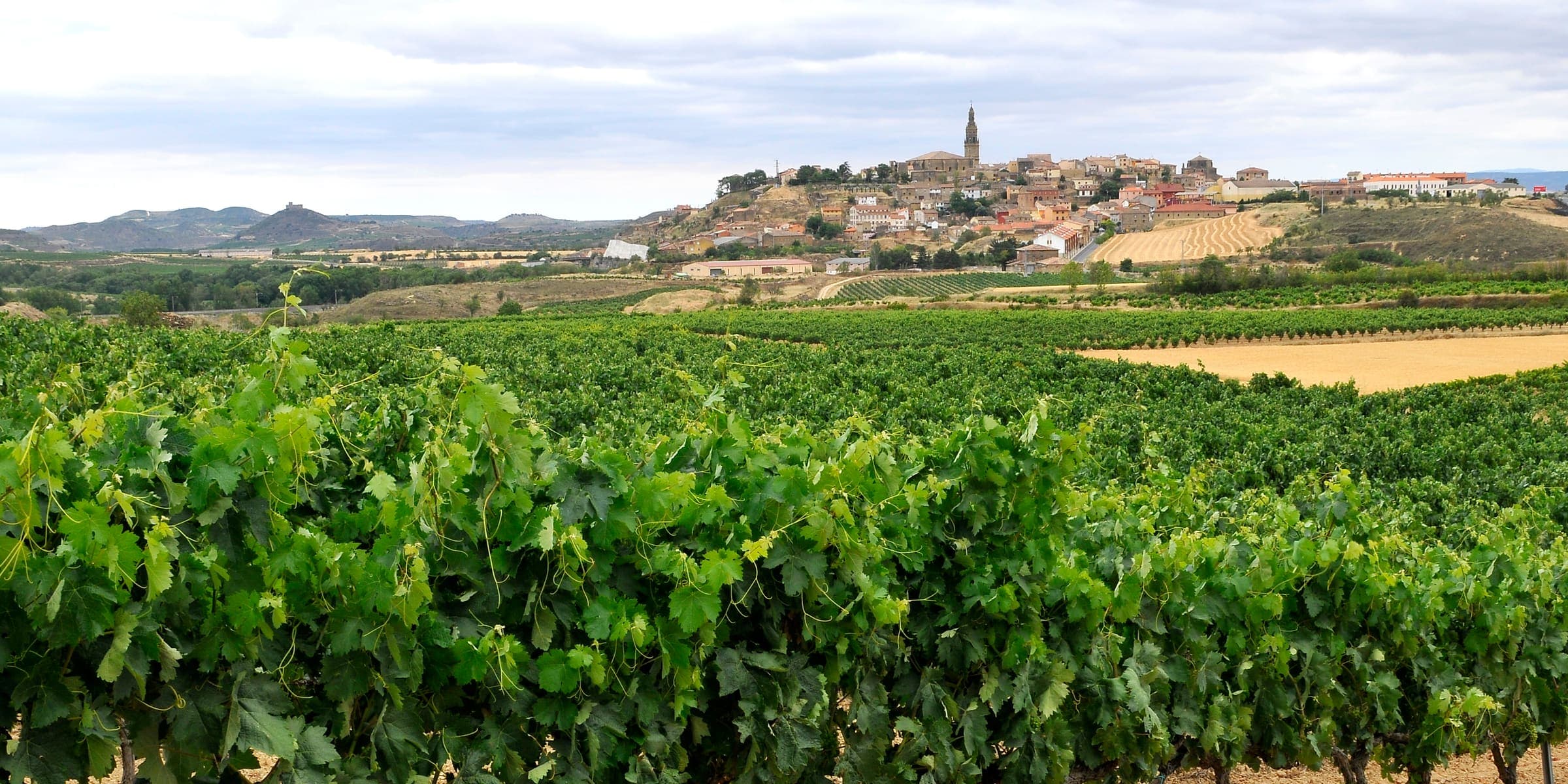
Rioja is Spain's most famous wine region, a valley of vineyards along the River Ebro with hilltop villages, medieval monasteries and bodegas that range from 19th-century cellars to Frank Gehry's ribbon-wrapped hotel at Marqués de Riscal. Base yourself in Logroño, the regional capital, and spend the evening on Calle Laurel, a short street of bars each famous for one pintxo, a glass of crianza at every stop. In Haro, the Barrio de la Estación packs more century-old bodegas around the railway station than anywhere else; in Laguardia, a walled village sits above a warren of cellars. Further south the monasteries of San Millán, where the first written words of Spanish were found, are a UNESCO site. Book tastings ahead. Three days.
Best for
Known for
Skip if
You do not drink wine — Rioja is lovely countryside, but tastings and long lunches are the point.
Your match
Choose a few travel interests and we will show how well La Rioja fits them. Choose interests
See
The things that would make the trip incomplete without them.
A street of pintxo bars
Each bar does one thing — mushrooms, ears, a bocadillo — so order its signature and a crianza, then move on.
Century-old bodegas round the station
López de Heredia, Muga, La Rioja Alta, CVNE and others within a few hundred metres; the oldest need booking weeks ahead.
Frank Gehry's winery hotel
Ribbons of pink, gold and silver titanium over an old cellar; take the tour and taste.
Beyond the obvious
Less obvious, rarely queued for, and usually the part people remember.
A walled wine village over its cellars
Medieval gates, a carved painted church porch and family cellars dug into the hill beneath the streets.
Monasteries where written Spanish began · UNESCO
The early medieval Suso and the great Yuso monastery in a quiet valley; glosses in a manuscript here are counted among the first written Spanish.
Orientation
How the city is actually divided, and what each part is for.
Cathedral, Camino and pintxo streets
On the Camino de Santiago: pilgrims, the twin-towered cathedral and Calle Laurel and San Juan for evenings.
Stay
Areas rather than hotels — pick the right one and the rest follows.
City base with trains
The most practical base, with the best evening life.
Wine-village hotels
Sleep among the vineyards and walk to the bodegas.
Practical
Plan this trip — useful links
Context
Enough to make what you are looking at legible.
Monks at San Millán gloss a Latin text in an early form of Spanish.
Bordeaux techniques and the railway reach Rioja; Haro's station bodegas follow.
Rioja becomes Spain's first regulated wine region.
Further out
Worth a day if you have one to spare.
The Guggenheim and pintxos
Bilbao & the Basque Coast has its own guide.