

Ipatiev Monastery & Kostroma Sloboda
Sixteenth-to-seventeenth-century fortified monastery and adjacent open-air wooden museum
Includes the 1652 Trinity Cathedral and carved eighteenth-century log churches on stilts.
In 60 seconds
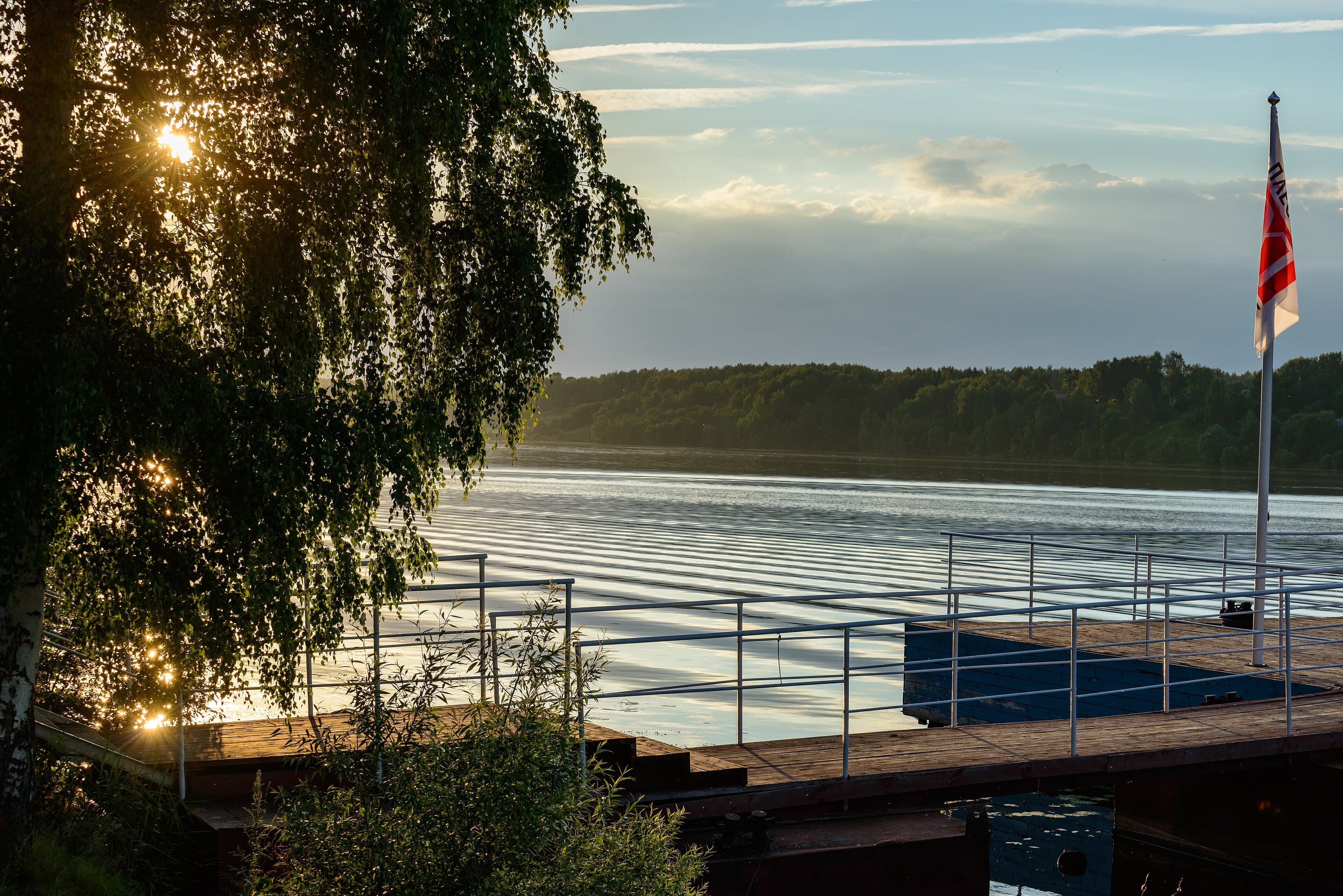
Further down the upper Volga, Kostroma fans out from its semicircular Susaninskaya Square and eighteenth-century merchant trading arcades toward the white walls of the Ipatiev Monastery on the Kostroma River spit. Seventy kilometres downstream, the tiny hillside town of Plyos tumbles down wooded ravines to a car-free Volga promenade immortalised by landscape painter Isaac Levitan.
Best for
Known for
Skip if
You want a single compact stop rather than two distinct upper-Volga towns.
Your match
Choose a few travel interests and we will show how well Kostroma & Plyos fits them. Choose interests
See
The things that would make the trip incomplete without them.
Sixteenth-to-seventeenth-century fortified monastery and adjacent open-air wooden museum
Includes the 1652 Trinity Cathedral and carved eighteenth-century log churches on stilts.
Three-kilometre riverside walk and hilltop wooden Church of the Resurrection
Follow the cobbled paths up Sobornaya and Levitan hills for wide views of the Volga bend.
Late eighteenth- and early nineteenth-century vaulted market rows and 1827 neoclassical tower
One of Russia's most complete provincial Empire-style civic ensembles.
Beyond the obvious
Less obvious, rarely queued for, and usually the part people remember.
1830s riverside merchant house where Levitan spent the summers of 1888–1890
Displays original studies painted along the upper Volga.