

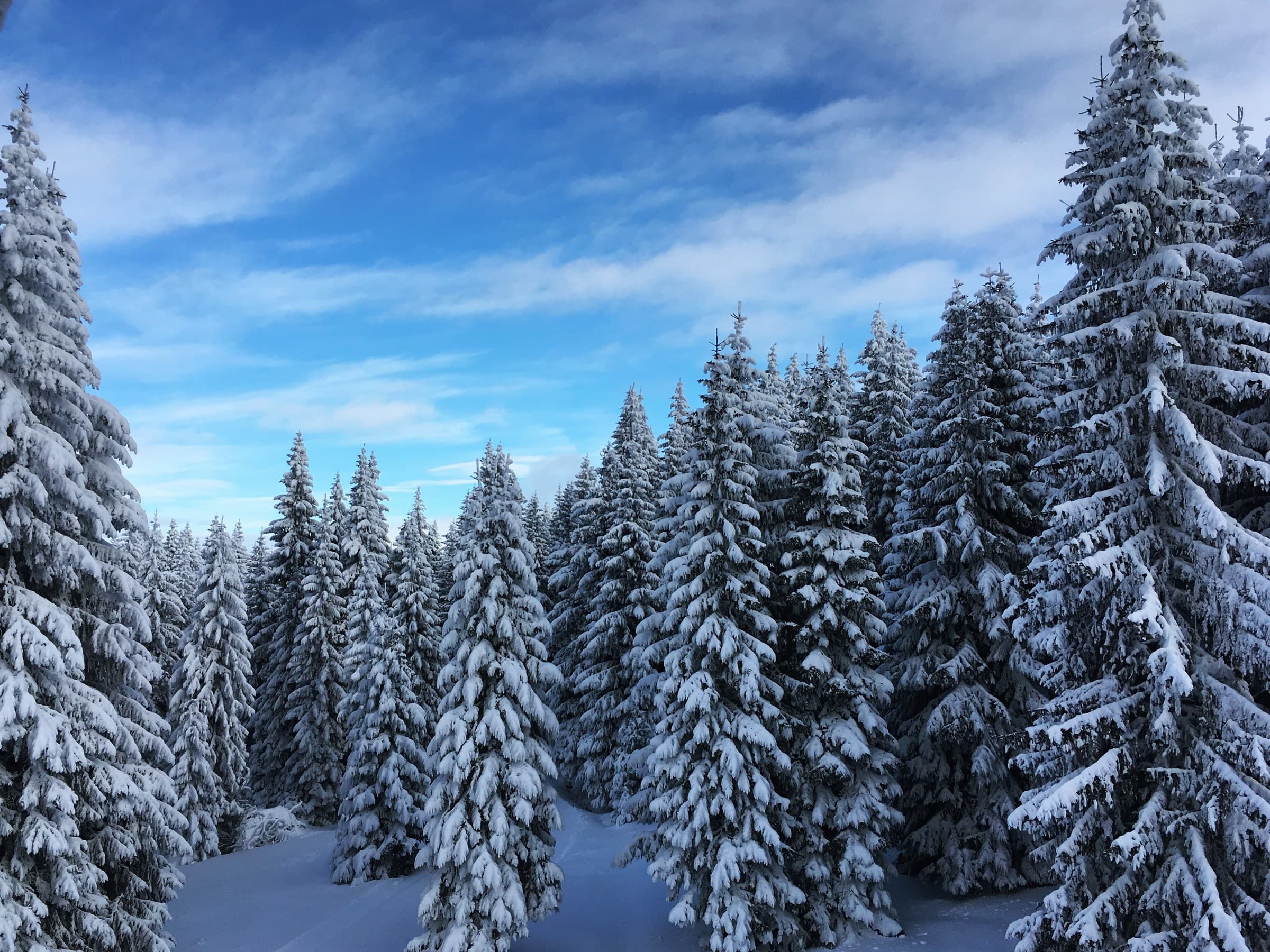
Suvo Rudište ski area
ModerateSerbia's largest ski terrain, spread over the plateau and the slopes below Pančićev vrh
Wide, mostly intermediate pistes with reliable snow; strong skiers will exhaust it in two days.
Suvo RudišteLiftsPlateau
In 60 seconds
Kopaonik is the roof of central Serbia and the country's principal ski mountain, a broad massif whose high plateau at Suvo Rudište carries the largest ski area in the country within a national park declared in 1981. Its old name comes from digging: these slopes were mined for silver and lead in the Middle Ages, and the shafts are still traceable in the forest. The summit, Pančićev vrh, reaches 2,017 metres and is crowned by the mausoleum of the botanist Josif Pančić, which is fitting, because the mountain's real distinction is botanical — a long list of plants grow here and nowhere else. In summer the lifts give way to a park of spruce forest, upland meadows and Jelovarnik, the highest waterfall in Serbia.
Best for
Known for
Skip if
You dislike purpose-built resorts; the plateau's hotel cluster is functional rather than pretty, whatever the season.
Your match
Choose a few travel interests and we will show how well Kopaonik fits them. Choose interests
See
The things that would make the trip incomplete without them.
Serbia's largest ski terrain, spread over the plateau and the slopes below Pančićev vrh
Wide, mostly intermediate pistes with reliable snow; strong skiers will exhaust it in two days.
The 2,017-metre summit of the massif, with the stone mausoleum of Josif Pančić on top
A short walk from the top lift in summer, and the one place that makes the scale of the plateau obvious.
The highest waterfall in Serbia, dropping in stepped cascades through spruce forest
The trail in is steep and slippery in places; go in late spring when the snowmelt is still feeding it.
Rock outcrop and viewpoint on the park's western edge looking out over the Ibar basin
An easy walk from the road and the best wide view off the mountain without climbing the summit.
Eat
A short list, kept short on purpose. Each entry answers one question: when is this the right choice?
Too few picks yet for their own heading, so they share this list.
Family restaurants in the village at the eastern foot of the mountain, cooking Rasina valley food
Drive down off the plateau for dinner once; the cooking is better and costs noticeably less.
Hotel dining rooms and slope-side kitchens serving grills, stews and roast lamb
Convenient rather than memorable; the lamb and the bean stews are the dependable orders.
Beyond the obvious
Less obvious, rarely queued for, and usually the part people remember.
Spring and small lake in the forest below the plateau, on a marked walking circuit
A gentle hour out of the resort, and almost always empty once the ski season ends.
Traces of medieval silver and lead extraction in the forest around Suvo Rudište
Ask a park ranger to point out the spoil heaps; once you see one, the hillside reads differently.
Orientation
How the city is actually divided, and what each part is for.
The resort plateau at around 1,770 metres: hotels, lift base stations and the ski school
Where everything is, and ski-in ski-out in the literal sense; expect a hotel cluster, not a village.
Village on the Rasina side of the mountain, linked to the plateau by gondola
The cheaper base, and genuinely a village; the gondola makes the altitude difference manageable.
Stay
Areas rather than hotels — pick the right one and the rest follows.
Hotels and apartments at Suvo Rudište, on the snow and beside the lifts
Worth the premium in winter purely for walking to the lift; less so in summer.
Guesthouses and apartments in the village below, with gondola access to the ski area
The sensible choice for a longer stay, especially outside the ski season.
Practical
Plan this trip — useful links
Context
Enough to make what you are looking at legible.
Silver and lead were mined across these slopes, and the mountain took its name from the Serbian verb to dig.
The botanist Josif Pančić surveyed the massif, describing a series of plants found only on Kopaonik.
Pančić's remains were moved to a mausoleum built on the summit, which has carried his name ever since.
Kopaonik was declared a national park, placing the ski terrain and the endemic flora under one protective regime.
Lift capacity and snowmaking were expanded, and a gondola now links the plateau with the village of Brzeće.
Further out
Worth a day if you have one to spare.
Marble UNESCO monastery and a cliff fortress in the valley west of the mountain
The obvious counterweight to a week of skiing or walking: medieval frescoes a valley away.
Ottoman bazaar town in the Raška valley with its UNESCO-listed group of monasteries
A long but rewarding day out, and the best food within reach of the mountain.