

Hagia Sophia
ModerateByzantine cathedral, then mosque · 6th-century dome
The 6th-century dome that defined Byzantium; dress modestly and avoid prayer times.
SultanahmetMosqueMust-see
In 60 seconds
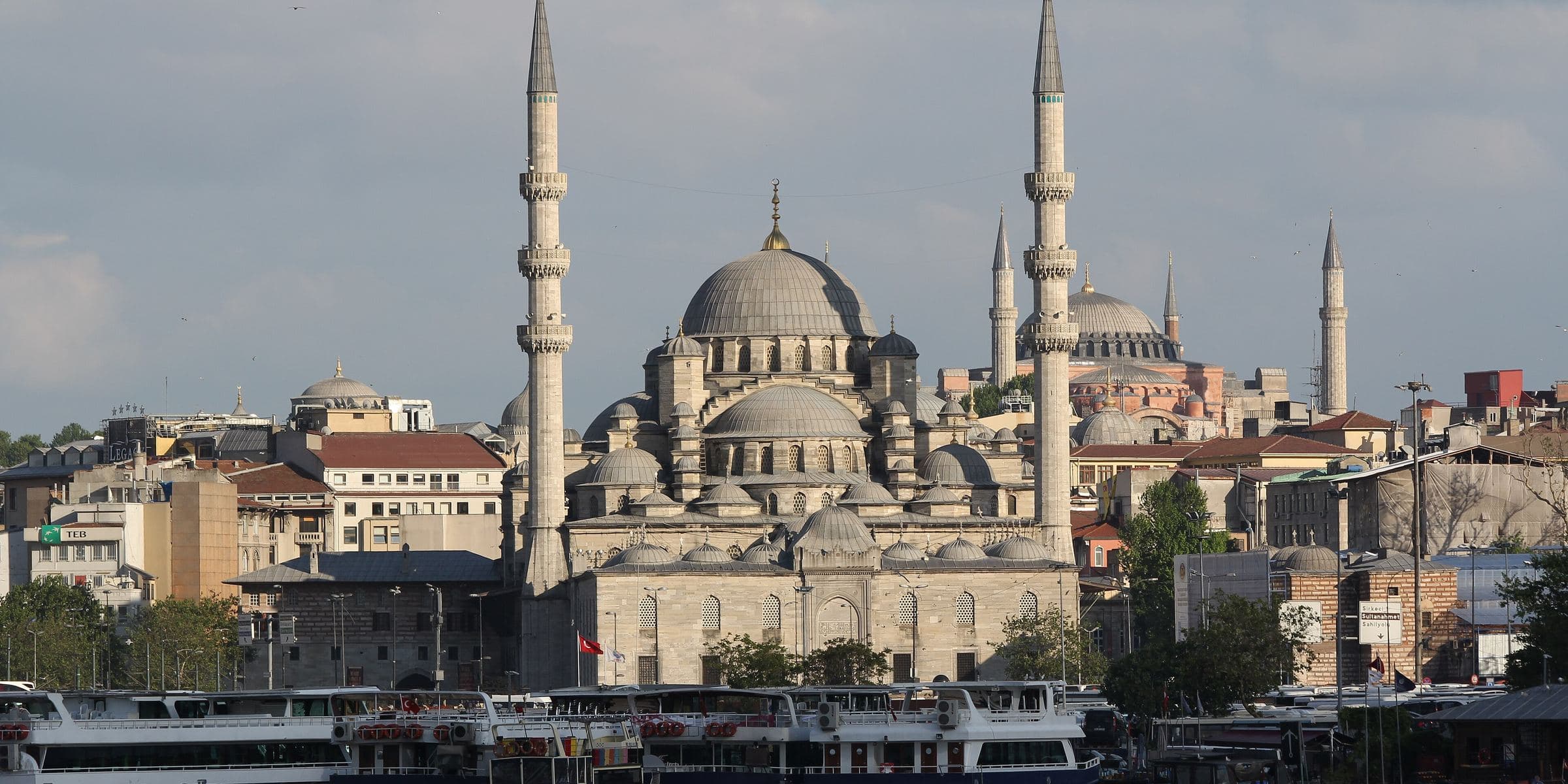
Istanbul straddles Europe and Asia on the Bosphorus: Hagia Sophia, the Blue Mosque and Topkapı Palace on the old peninsula, the steep streets of Beyoğlu across the Golden Horn, and Kadıköy's markets on the Asian shore. The ferries between them are the best way to travel. See the old peninsula early, and dress for its mosques — shoulders and knees covered, a scarf for women. Take a public ferry up the Bosphorus from Eminönü rather than a tour boat, and eat your way through Kadıköy's market streets. An Istanbulkart works on the trams, the metro and the ferries alike. It is huge and intense; give it at least three or four days.
Best for
Known for
Skip if
You dislike crowds, hills and traffic — Istanbul has all three in quantity.
Your match
Choose a few travel interests and we will show how well Istanbul fits them. Choose interests
See
The things that would make the trip incomplete without them.
Byzantine cathedral, then mosque · 6th-century dome
The 6th-century dome that defined Byzantium; dress modestly and avoid prayer times.
Imperial Ottoman palace · Courtyards, Harem & treasury
Courtyards, the harem and the treasury on the tip of the historic peninsula overlooking the Bosphorus.
Underground Byzantine reservoir · 336 marble columns & Medusa heads
A subterranean forest of illuminated marble columns rising from shallow water with inverted Medusa bases.
Eat
A short list, kept short on purpose. Each entry answers one question: when is this the right choice?
Where to eat the food this city is actually known for.
Forgotten Anatolian dishes
Dishes from across Anatolia, many rarely seen elsewhere, in Kadıköy's market streets.
Ottoman cooking · Since 1888
Palace-style stews and preserves in jars lining the walls, just off İstiklal.
Tiled dining room over the Spice Bazaar
A historic restaurant in blue-tiled rooms above the bazaar gate, known for lamb on smoky aubergine purée.
No booking, no ceremony, reliably good.
Meatballs since 1920
Grilled köfte, bean salad and little else, from a family business by the Hippodrome.
Baklava
The city's best-known baklava shop, by the Karaköy ferry. Eat it with a glass of tea.
Boza since 1876
A tiled shop serving boza, the thick fermented millet drink, with cinnamon and roasted chickpeas.
Worth planning the evening around.
New Anatolian cooking with a view
Mehmet Gürs's rooftop restaurant on Beyoğlu, with Anatolian ingredients and a Bosphorus view.
Turkish heritage dishes, rethought
Maksut Aşkar's restaurant in the SALT Galata building, reworking traditional recipes.
Two-star Turkish tasting menu
Fatih Tutak's tasting menu of Turkish flavours, in Şişli.
Mornings, and the slow hour between things.
Turkish coffee
A tiny place off İstiklal for thick, foamy Turkish coffee on low stools.
Confectioner and café
Turkish delight, baklava and coffee from a confectioner founded in 1864, near Sirkeci.
Specialty roaster
One of the roasters behind Istanbul's specialty coffee scene, with a café in Cihangir.
Beyond the obvious
Less obvious, rarely queued for, and usually the part people remember.
Sinan's masterpiece
The architect Sinan's great mosque on a hill above the Golden Horn, calmer than the Blue Mosque.
Covered in İznik tiles
A small mosque above the market streets, every wall covered in blue İznik tiles.
Orientalist painting in Beyoğlu
A private museum best known for Osman Hamdi Bey's The Tortoise Trainer.
After dark
Meyhane on Nevizade
A long-running meyhane for meze, fish and rakı on the busy tavern street of Nevizade.
Rooftop bar and restaurant
A rooftop above İstiklal with a 360-degree view over the Golden Horn and the Bosphorus.
Historic hotel bar
The bar of the 1892 hotel built for Orient Express passengers, where Agatha Christie stayed.
Orientation
How the city is actually divided, and what each part is for.
The historic peninsula
Hagia Sophia, the Blue Mosque, Topkapı and the Grand Bazaar within walking distance.
İstiklal, Galata and nightlife
The 19th-century European quarter: the Galata Tower, İstiklal Avenue, bars and galleries.
The Asian side's market district
A ferry ride away: food markets, cafés and a young, local crowd.
Stay
Areas rather than hotels — pick the right one and the rest follows.
Beside the great sights
Walk to the major monuments; quiet at night.
Between old and new
Design hotels near the ferries, the tram and Beyoğlu's restaurants.
For nightlife
Lively and central, with grand old hotels; it can be noisy.
Practical
Plan this trip — useful links
Context
Enough to make what you are looking at legible.
Constantine makes Byzantium the new capital of the Roman Empire, Constantinople.
Mehmed II conquers Constantinople, which becomes the Ottoman capital.
The Republic of Turkey is founded with Ankara as its capital; Istanbul remains its largest city.
Further out
Worth a day if you have one to spare.
Car-free islands in the Sea of Marmara
Wooden mansions, pine woods and bike rides, by ferry from Kabataş or Bostancı.
Public cruise between two continents
Public ferries run up the strait past palaces, fortresses and wooden waterfront mansions to Anadolu Kavağı.
The first Ottoman capital
Early Ottoman mosques and tombs, silk markets and İskender kebab, by ferry and bus.