
Traveleriences
Historic neoclassical embassies and tree-lined pedestrian avenue in Cetinje, historical capital of Montenegro

Cetinje, Montenegro

Ideal: 1 dayBest: Apr–Jun, Sep–OctPrice: Inexpensive

In 60 seconds

Cetinje in 60 seconds

Cradled in a high karst plateau beneath the sacred limestone peak of Mount Lovćen, Cetinje is the historical and spiritual soul of Montenegro. Founded in 1482 by Prince Ivan Crnojević as an impregnable mountain retreat against the Ottomans, Cetinje evolved into a miniature royal capital in the nineteenth century. Elegant Belle Époque embassies, the fortified Biljarda residence of poet-prince Petar II Petrović-Njegoš, King Nikola's Museum, and the Cetinje Monastery preserve the epic story of a defiant mountain nation.

Royal CapitalMount LovćenCetinje MonasteryBiljarda PalaceHistoric Embassies

Best for

    Known for

    • Cetinje Monastery, founded in 1484, holding the mummified hand of Saint John the Baptist and true cross relics
    • Biljarda Palace, the fortified 1838 stone residence of ruler Petar II Petrović-Njegoš, named for its Italian billiards table
    • King Nikola's Palace (National Museum), preserving royal regalia, ceremonial uniforms, and weapon collections
    • Elegant 19th-century foreign embassy mansions (Russian, French, British, Ottoman) along tree-lined avenues
    • Gateway to Lovćen National Park and the awe-inspiring summit Mausoleum of Njegoš at 1,657 metres

    Skip if

    You are seeking seaside beaches or nightlife; Cetinje is a cool, dignified highland capital focused on heritage.

    Your match

    Choose a few travel interests and we will show how well Cetinje fits them. Choose interests

    See

    Must experience

    The things that would make the trip incomplete without them.

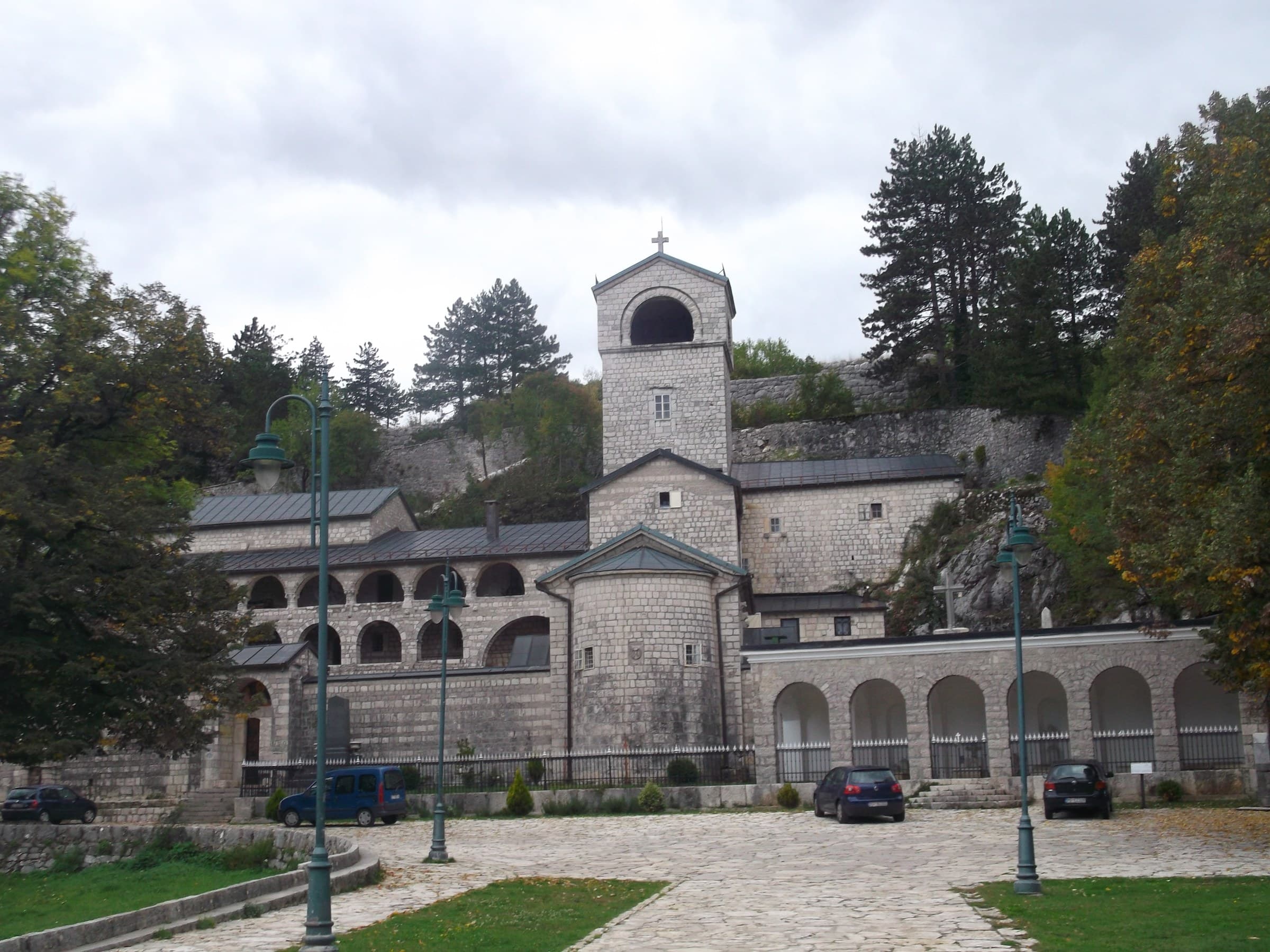
    Cetinje Monastery

    Inexpensive

    Spiritual heart of Montenegro founded in 1484, housing sacred relics and the tomb of Prince-Bishop Petar I

    Step into the candle-lit stone chapel to revere the reliquary of Saint Petar of Cetinje.

    Monastery SquareHistoric MonasteryRelic Chapel

    Biljarda (Njegoš Museum)

    Inexpensive

    Fortified stone palace built in 1838 for Petar II Petrović-Njegoš, featuring four corner towers and original furnishings

    View the massive 1917 Austrian 3D topographic relief map of Montenegro filling a whole glass pavilion in the courtyard.

    Historical CoreFortified MansionNjegoš Palace

    King Nikola's Palace (National Museum)

    Inexpensive

    Ochre-painted royal palace built in 1867 showcasing the lavish lifestyle, state gifts, and weaponry of Montenegro's only king

    Tour the preserved imperial state dining rooms and weapon galleries adorned with silver-mounted flintlocks.

    King Nikola SquareCrown RegaliaNational Museum

    Eat

    Where to eat

    A short list, kept short on purpose. Each entry answers one question: when is this the right choice?

    More places to eat

    Too few picks yet for their own heading, so they share this list.

    Restoran Kole

    Inexpensive

    Atmospheric local institution serving authentic Montenegrin mountain cuisine: kačamak, lamb ispod sača, and Njeguški pršut

    Order traditional kačamak beaten with potatoes and aged kajmak, served piping hot with sour sheep milk.

    NjegoševaKačamakLamb Ispod Sača

    Gradska Kafana Cetinje

    Inexpensive

    Grand neoclassical café on the pedestrian boulevard serving espresso, fresh mountain tea, and honey priganice fritters

    Enjoy freshly fried priganice fritters dipped in highland meadow honey on the shaded boulevard terrace.

    Njegoševa PromenadeGrand caféPedestrian Terrace

    Beyond the obvious

    Hidden gems

    Less obvious, rarely queued for, and usually the part people remember.

    Former French Embassy

    Inexpensive

    Unusual 1910 Art Nouveau diplomatic villa clad in colourful polychrome ceramic tiles by architect Paul Guadet

    Admire the dazzling ceramic tiled facade, supposedly shipped to Cetinje by mistake instead of an embassy in Cairo.

    Njegoševa StreetArt NouveauCeramic Facade

    After dark

    Bars & nightlife

    Boćara Bar & Garden

    Inexpensive

    Relaxed bohemian pub with a leafy courtyard garden pouring regional craft beers and homemade grape brandy

    Mingle with local university arts students over a glass of dry Vranac or herbal pelinkovac under the chestnut trees.

    Dvorski TrgCourtyard BarCraft Beers

    Orientation

    Neighbourhoods

    How the city is actually divided, and what each part is for.

    Njegoševa Pedestrian Avenue

    Linden-lined pedestrian promenade lined with pastel 19th-century townhouses, bookshops, and cultural institutes

    Stroll the avenue from King Nikola Square to the diplomatic quarter to admire nineteenth-century town architecture.

    Stay

    Where to stay

    Areas rather than hotels — pick the right one and the rest follows.

    Historic Royal Centre

    Boutique heritage hotels and traditional guesthouses located within short walking distance of palaces and museums

    Stay in a renovated historical townhouse in the centre to enjoy cool mountain air and quiet starry nights.

    Practical

    Know before you go

    Mountain climate
    Cetinje sits at 650 metres above sea level; it is noticeably cooler than the coastal towns, especially in the evening. Bring a sweater.
    Lovćen access
    Taxis in Cetinje offer fixed-rate return trips to the summit Njegoš Mausoleum including waiting time.

    Context

    History in 5 minutes

    Enough to make what you are looking at legible.

    1. 1482

      Prince Ivan Crnojević moves his royal court to Cetinje, erecting a castle and monastery to resist Ottoman conquest.

    2. 1878

      Following the Congress of Berlin, Montenegro's full sovereignty is internationally recognised with Cetinje as its capital.

    3. 1946

      The government of the Republic of Montenegro moves to Titograd (Podgorica), leaving Cetinje as the honorary Royal Capital.

    Further out

    Nearby escapes

    Worth a day if you have one to spare.

    Njegoš Mausoleum on Mount Lovćen

    Monumental marble mausoleum designed by sculptor Ivan Meštrović atop the 1,657-metre Jezerski Vrh mountain peak

    Climb the 461 stone steps through a mountain tunnel to survey 360-degree vistas stretching from Durmitor to the Adriatic.

    35 minutes by scenic mountain road360 Degree PanoramaMeštrović