

Sagrada Família
ExpensiveGaudí's basilica · Still under construction
Book the first slot and go for the light through the stained glass. Nothing prepares you for the inside.
EixampleBook aheadMorning
In 60 seconds
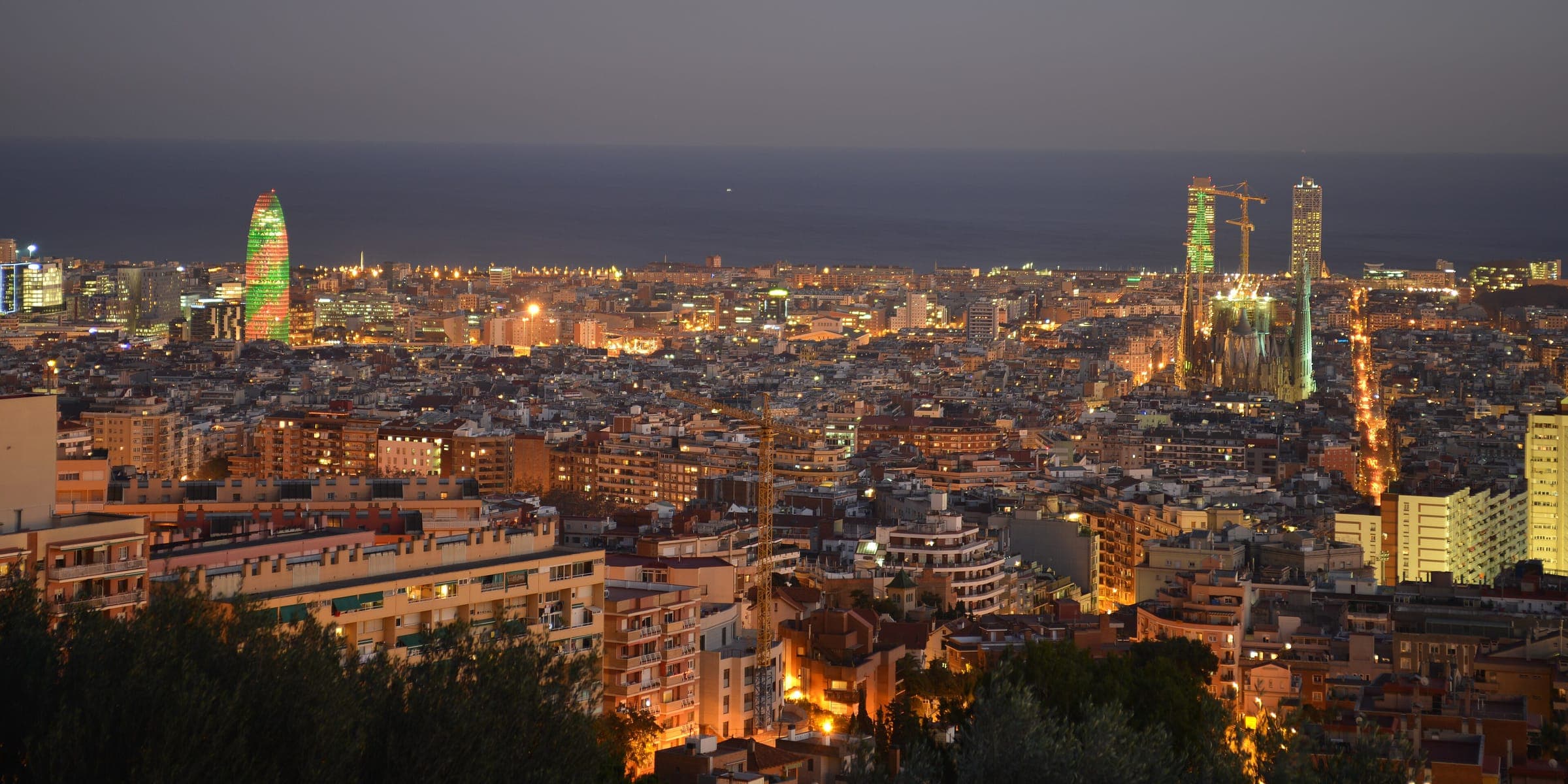
Barcelona rewards a slower pace than most visitors give it. The Gaudí buildings deserve their reputation and their timed tickets; the rest of the city is best done on foot, neighbourhood by neighbourhood — the Born and the Gothic Quarter in the morning, Gràcia for the evening, Poble-sec for vermouth and tapas. Stay in the Eixample or the Born and walk; the Metro covers the rest. Lunch is the main meal, and a neighbourhood menú del día is the best value in the city. Eat late, as the city does — dinner rarely starts before nine — and keep valuables close on the Rambla and the Metro. Four days lets you add Montserrat or a beach day without rushing anything.
Best for
Known for
Skip if
Summer crowds and pickpockets would spoil it for you. July and August are hot, full and expensive, and the Rambla is best avoided entirely.
Your match
Choose a few travel interests and we will show how well Barcelona fits them. Choose interests
See
The things that would make the trip incomplete without them.
Gaudí's basilica · Still under construction
Book the first slot and go for the light through the stained glass. Nothing prepares you for the inside.
Gaudí's hillside park
The monumental zone needs a timed ticket; the wider park around it is free and quieter.
Modernista concert hall
Better heard than toured: buy a ticket to anything and sit under the stained-glass skylight.
Eat
A short list, kept short on purpose. Each entry answers one question: when is this the right choice?
Where to eat the food this city is actually known for.
Catalan · Since 1786
Barcelona's oldest restaurant. Order the Catalan classics and do not expect reinvention.
Tapas counter
A long bar by the Liceu where you watch the cooks work through Catalan market fish and classic tapas.
Seafood rice · Since 1903
A fishermen's tavern turned family seafood restaurant, now in its fourth generation. Rice dishes and suquet are the point.
No booking, no ceremony, reliably good.
Standing tapas & conservas · Since 1914
A family bodega lined with bottles, where tinned fish becomes the best montadito you will eat.
Market counter
A stool at the counter inside the Boqueria and the house dish: fried eggs with baby squid.
Tapas & natural wine
Somewhere between a bistro and a tapas bar, by the Picasso Museum, with seasonal plates and natural wine.
Worth planning the evening around.
Avant-garde tasting menu
Three former elBulli chefs at full stretch. Book months out; it is worth the planning.
Martín Berasategui · Three stars
Modern Basque haute cuisine in the Monument Hotel on Passeig de Gràcia, with three Michelin stars since 2017.
Jordi Cruz · Three stars
Jordi Cruz's single tasting menu in a garden setting at the foot of Avinguda del Tibidabo.
Mornings, and the slow hour between things.
Specialty roaster's brew bar
A passageway brew bar from the roaster that started the city's specialty coffee.
Granja · Since 1870
The family dairy that invented Cacaolat. Thick hot chocolate, churros and toast in the old room.
Specialty coffee & brunch
One of the cafés that started Barcelona's specialty coffee, on a lane in the old Jewish Call.
Beyond the obvious
Less obvious, rarely queued for, and usually the part people remember.
Civil War gun battery · 360° view
Anti-aircraft emplacements from 1938 on Turó de la Rovira, with the whole city laid out below.
Modernista hospital campus
Domènech i Montaner's hospital pavilions, ten minutes' walk from the Sagrada Família and a fraction of the crowd.
18th-century garden maze
The city's oldest garden, with a cypress maze, far from the crowds.
After dark
Cava & anchovies · Since 1929
House cava, anchovies and a crowd that spills into Carrer de Montcada. Arrive at opening.
Cocktails behind a pastrami bar's fridge door
Walk through a pastrami shop and a freezer door into one of the world's most celebrated cocktail bars.
Absinthe bar · Since 1820
Peeling walls, dusty bottles and absinthe with a sugar cube, in what is widely held to be the city's oldest bar.
Orientation
How the city is actually divided, and what each part is for.
Squares, small bars, village feel
A former separate town of small squares, where the evening happens outside.
Vermouth, tapas, Montjuïc
Carrer de Blai's pintxo bars and the slope of Montjuïc behind them.
Fishermen's quarter by the beach
A grid of narrow 18th-century streets between the port and the beach, with seafood restaurants on every corner.
Stay
Areas rather than hotels — pick the right one and the rest follows.
The grid · Modernisme
Wide streets, good transport and the Modernista façades at the door.
Medieval lanes, near the sea
The best-looking old quarter, walkable to the beach. Ask for a room away from the street.
Village squares
Small squares and local bars, a few metro stops from the centre.
Practical
Plan this trip — useful links
Context
Enough to make what you are looking at legible.
The Roman colony of Barcino is founded; stretches of its wall survive in the Gothic Quarter.
Two world exhibitions and the Modernista movement remake the city — the Eixample, Gaudí, Domènech i Montaner.
The Olympic Games open the city to the sea, creating the beaches and waterfront of today.
Further out
Worth a day if you have one to spare.
Mountain monastery
The serrated massif and its Benedictine monastery. Walk above the crowds at the top station.
Seaside town & beaches
Whitewashed old town, a run of beaches and a slower day than any in the city.
Walled medieval city on the Onyar
Coloured houses over the river, a cathedral stair and one of Europe's best-kept Jewish quarters.
Go further
Multi-city trips that stop here, with the transport between them.